
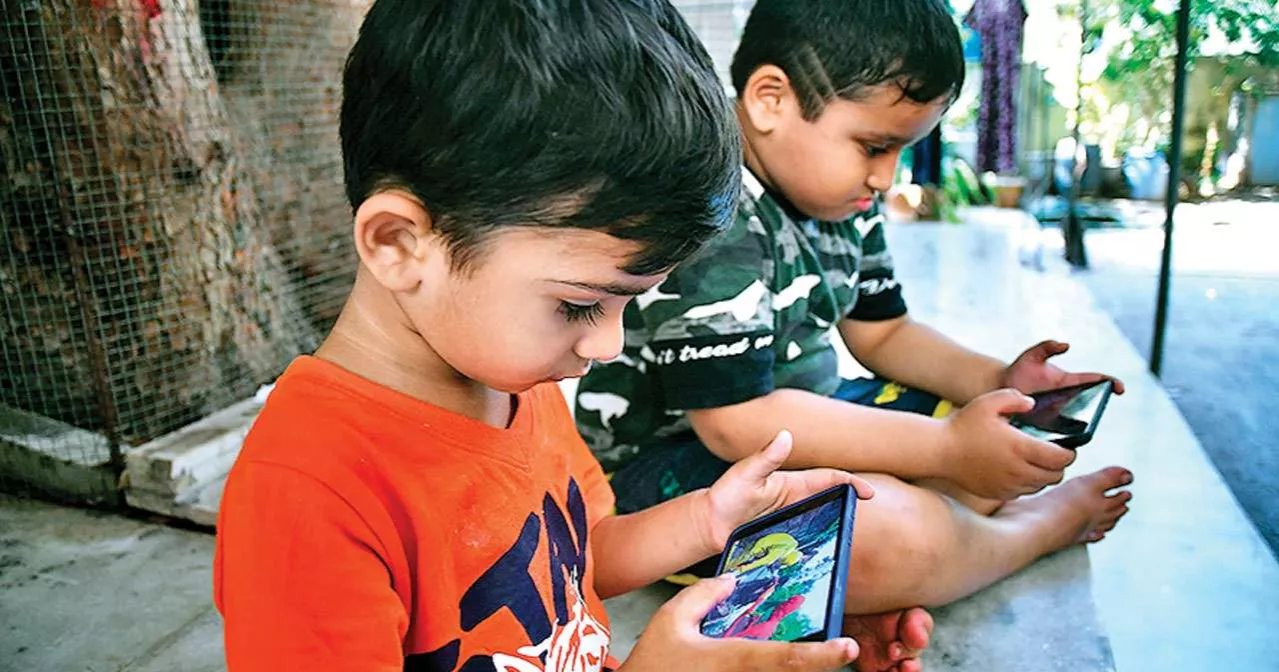
A new study by icddr,b has revealed that 83 percent of school-going children in Dhaka are exceeding internationally recommended screen-time limits, raising concerns over sleep deprivation, obesity, headaches, eye problems, and growing mental health issues among young students.
The research, carried out between 2022 and 2024, surveyed 420 children aged 6 to 14 from six schools in the capital, including both Bangla- and English-medium institutions.
The findings were published in the Journal of Medical Internet Research.
Govt to create nationwide database of children with disabilities: Muhith
According to the study, 83 percent of participating children spend more than two hours per day using digital devices, far above the internationally recommended recreational screen-time limit. On average, children were found to spend around 4.6 hours daily on smartphones, televisions, computers, tablets, and gaming devices.
Researchers observed several health problems associated with prolonged screen exposure.
More than one-third of the children reported eye-related issues while around 80 percent frequently experienced headaches.
Children with higher screen use also slept less, averaging only 7.3 hours per night, below the recommended 8 to 10 hours needed for healthy development.
The study further showed that about 14 percent of the children were overweight or obese, with higher rates among those exposed to screens for extended periods. Besides, nearly two out of every five children showed signs of mental health challenges such as anxiety, hyperactivity, emotional distress, and behavioural problems.
Experts involved in the research explained that late-night device use can interfere with natural sleep cycles and overstimulate the brain, while long hours spent indoors with screens may reduce physical activity and outdoor play.
Extended use of digital devices can also contribute to eye strain, headaches, poor concentration, and reduced social interaction.
Lead researcher Dr Shahria Hafiz Kakon, Assistant Scientist at icddr,b, advised parents to pay attention to warning signs such as poor sleep, irritability, headaches, reduced outdoor activity, and difficulty concentrating, as these may indicate harmful effects of excessive screen exposure.
Researchers also recommended the “20-20-20” rule to reduce eye strain: after every 20 minutes of screen use, children should look at an object about 20 feet away for at least 20 seconds.
Dr Tahmeed Ahmed, Executive Director of icddr,b,, emphasised that digital devices are now a part of modern education and daily life, but children need balanced and healthy usage habits. He encouraged parents to promote outdoor activities, adequate sleep, device-free family time, and extracurricular engagement such as reading, debates, and gardening.
The researchers stressed that technology should not be completely banned, but healthier digital habits and awareness programs should be introduced in homes and schools to encourage responsible screen use among children.