There is room for Bangladesh to strengthen its energy security through integration of renewable energy sources and enhancement of grid stability.
Experts at a workshop led by GIZ, the German technical cooperation agency, made this suggestion, saying that Battery Energy Storage Systems (BESS) can play a major role to achieve that goal.
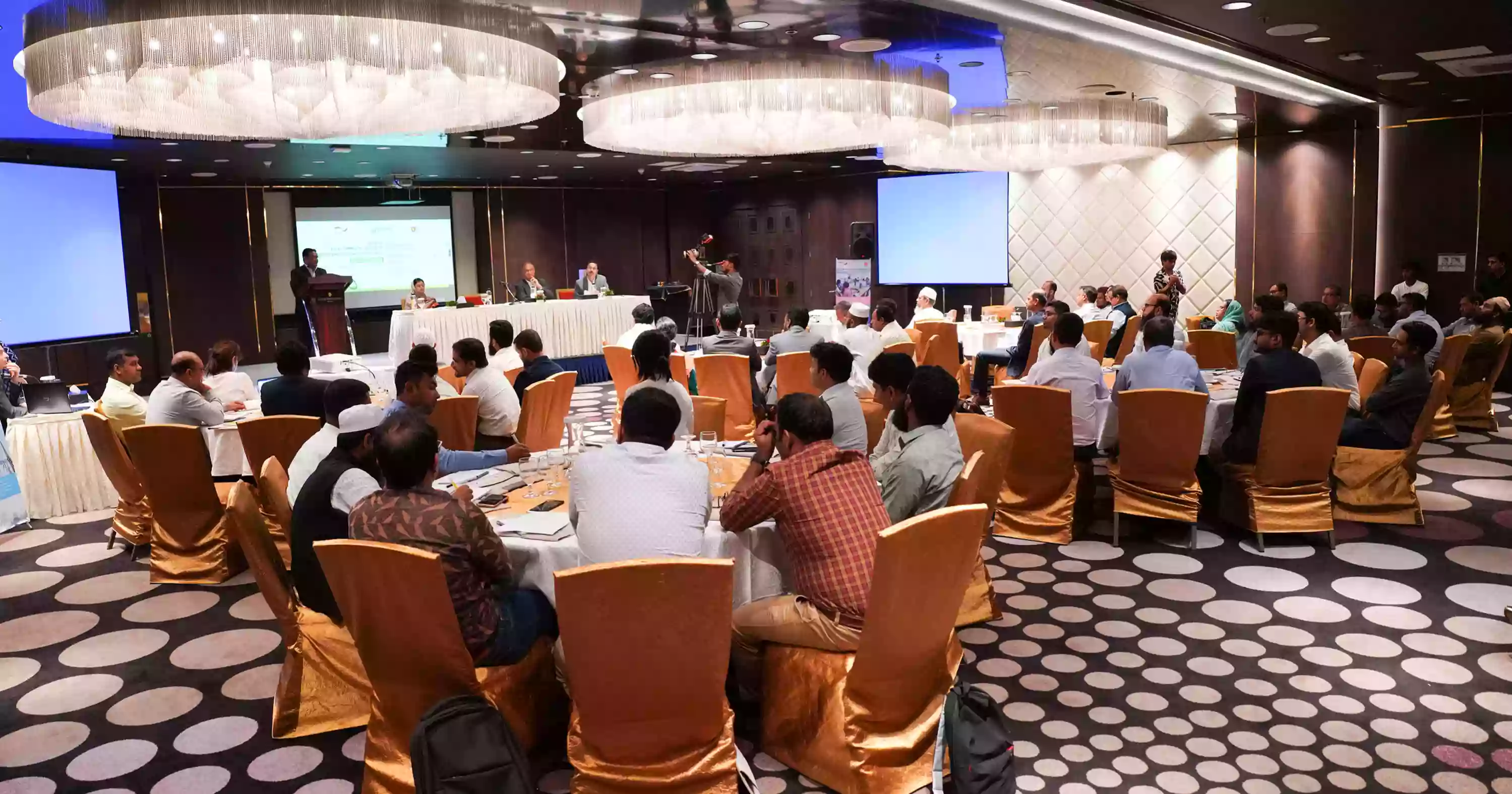
The two-day training on the techno-commercial aspects of BESS, was held on July 14-15.
The training brought together more than 50 participants from various electricity distribution utilities, aiming to enhance their technical and commercial knowledge of BESS technologies.
This initiative is part of the ongoing efforts of Energy Efficiency and Grid Integration of Renewable Energy (EEGIRE) II – a German development cooperation project implemented by GIZ Bangladesh in collaboration with the Ministry of Power, Energy and Mineral Resources (MPEMR).
Battery Energy Storage Systems (BESS) can play a pivotal role in stabilising the grid with their rapid response properties, maintaining supply and demand balance, and reducing the risk of blackouts.
BESS can store excess energy during off-peak hours and release it during peak demand, optimising the use of generated electricity which ensures a stable and continuous supply of electricity even when the sun is not shining, or wind isn’t blowing.
Hence, as the nation moves towards a green transition, enhancing knowledge of the key technical persons of the distribution grid utility on BESS is crucial.
The inaugural session on July 14 commenced with remarks from Ms Munira Sultana ndc, Chairman (Grade-1) of Sustainable and Renewable Energy Development Authority (SREDA); Dr Andreas Kuck, Country Director of GIZ Bangladesh, and Ms Stoyanka Stich, Coordinator, Energy Cluster, GIZ Bangladesh. Mr. Md. Habibur Rahman BPAA, Senior Secretary of the Power Division, Ministry of Power, Energy and Mineral Resources (MPEMR), delivered the inaugural speech.
He emphasized on the importance of integrating BESS technologies to enhance the reliability and stability of the country's electricity distribution network, as higher percentages of variable renewable energy are continually being added to the nation’s energy mix.
The technical sessions were led by international experts, such as Dr Eckehard Tröster, CEO of Energynautics GmbH, and Mr Anis Zaman, Economic Affairs Officer at UN ESCAP.
The training concluded with reflections from Mr Siddique Zobair, Senior Energy Expert, and closing remarks from Chief Guest Md. Rezanur Rahman, Additional Secretary, Power Division and Special Guest Mr A.K.M. Gause Mohiuddin Ahmed, Managing Director of the Power Grid Company of Bangladesh Limited. Session Chair Mr Nirod Chandra Mondal, Joint Secretary, Renewable Energy, Power Division thanked GIZ and UNESCAP expressed his appreciation for organising this timely training.
The training successfully equipped participants with the necessary knowledge and skills to implement BESS technologies, marking a significant step towards a more sustainable and resilient energy system in Bangladesh. Feedback from attendees highlighted the practical value of the sessions and the importance of continued collaboration between GIZ, MPEMR, and other stakeholders.