
Power, Energy and Mineral Resources Minister Iqbal Hassan Mahmood on Sunday said the government was compelled to raise fuel prices due to rising global costs and mounting import pressure.
Speaking to reporters at the Secretariat, he said the government had no alternative but to hike the prices as fuel imports require foreign currency, and the adjustment was necessary to keep the economy at a manageable level.
The minister, however, said they have fixed prices at a level that is still below the actual import cost.
Addressing concerns over the impact on common people, he noted that countries worldwide, including the United States, have increased fuel prices following global market adjustments. “After the war situation, we built fuel stocks at higher costs, yet we had still been selling at a lower price,” he added.
Asked about the subsidy needed after the price adjustment, Iqbal Hassan said the government support remains in place, though he did not provide specific figures. “If you want an accurate data, you can visit the ministry and collect those,” he added.
On the broader economic impact, he acknowledged that higher fuel prices will inevitably affect the cost of living. “This war has affected not only Bangladesh but also the entire world and we are also feeling that impact,” he said.
Referring to earlier assurances that fuel prices would not be increased in April, the minister said, “We have now been compelled to take this step.”
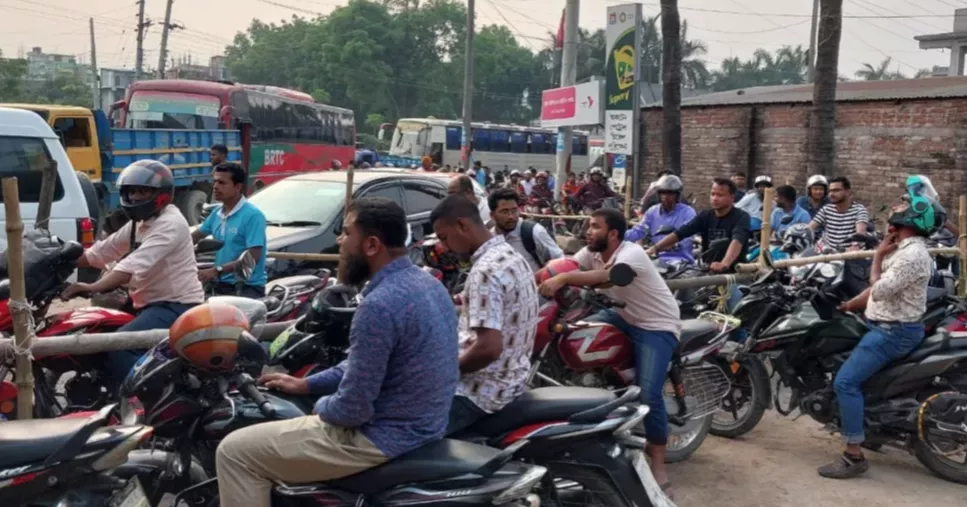
The government on Saturday raised the prices of all types of fuel at the consumer level in line with the rise in global fuel prices, with effect from Sunday.
Following the hike, the price of diesel rises to Tk 115 per litre from Tk 100, octane rises to Tk 140 from Tk 120, petrol to Tk 135 from Tk 116, and kerosene to Tk 130 per litre from Tk 112.