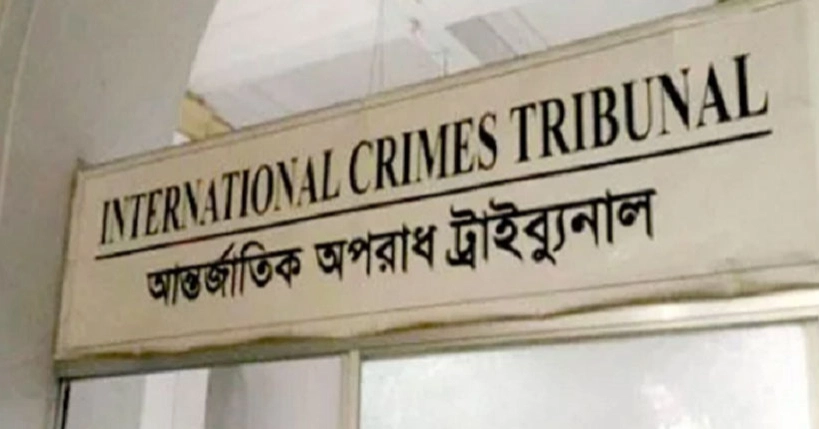
Bangladesh International Crimes Tribunal on Thursday amended its Rules of Procedure 2010, granting its prosecutors and investigation officers the authority to arrest individuals accused or suspected of crimes against humanity.
Through this amendment, prosecutors, along with investigative agencies, have been given the power to directly arrest accused without a warrant from the tribunal.
The amendments, issued through a notification on Thursday by the Tribunal's Registrar ASM Ruhul Imran under the orders of Chairman Justice Md. Golam Mortuza Majumder, aims to streamline the arrest process by removing previous procedural requirements.
According to the revised rules, if an investigation officer has reasonable grounds to believe that an offence under the ICT Act has been committed, they are authorised to visit the scene, investigate the facts and circumstances, and arrest any accused or suspect.
The officer is also empowered to conduct searches and seizures of evidence as necessary and may seek assistance from law enforcement agencies in these activities.
While investigation officers can act independently, the rules clarify that they may request the tribunal to issue an arrest warrant through the prosecution at any stage of the investigation or trial if deemed necessary.
In addition, law enforcement agencies, investigation officers, and prosecutors involved in the investigation are authorised to execute any arrest warrants issued by the tribunal.
When asked about the amended rule, Prosecutor BM Sultan Mahmud said, "Under the previous rules, investigating officers couldn't arrest suspects directly; they had to apply to the Tribunal, which then issued a warrant, and law enforcement agencies carried out the arrest. Now, investigating officers can arrest suspects without a Tribunal warrant. Additionally, prosecutors involved in the investigation can also make arrests alongside law enforcement agencies."