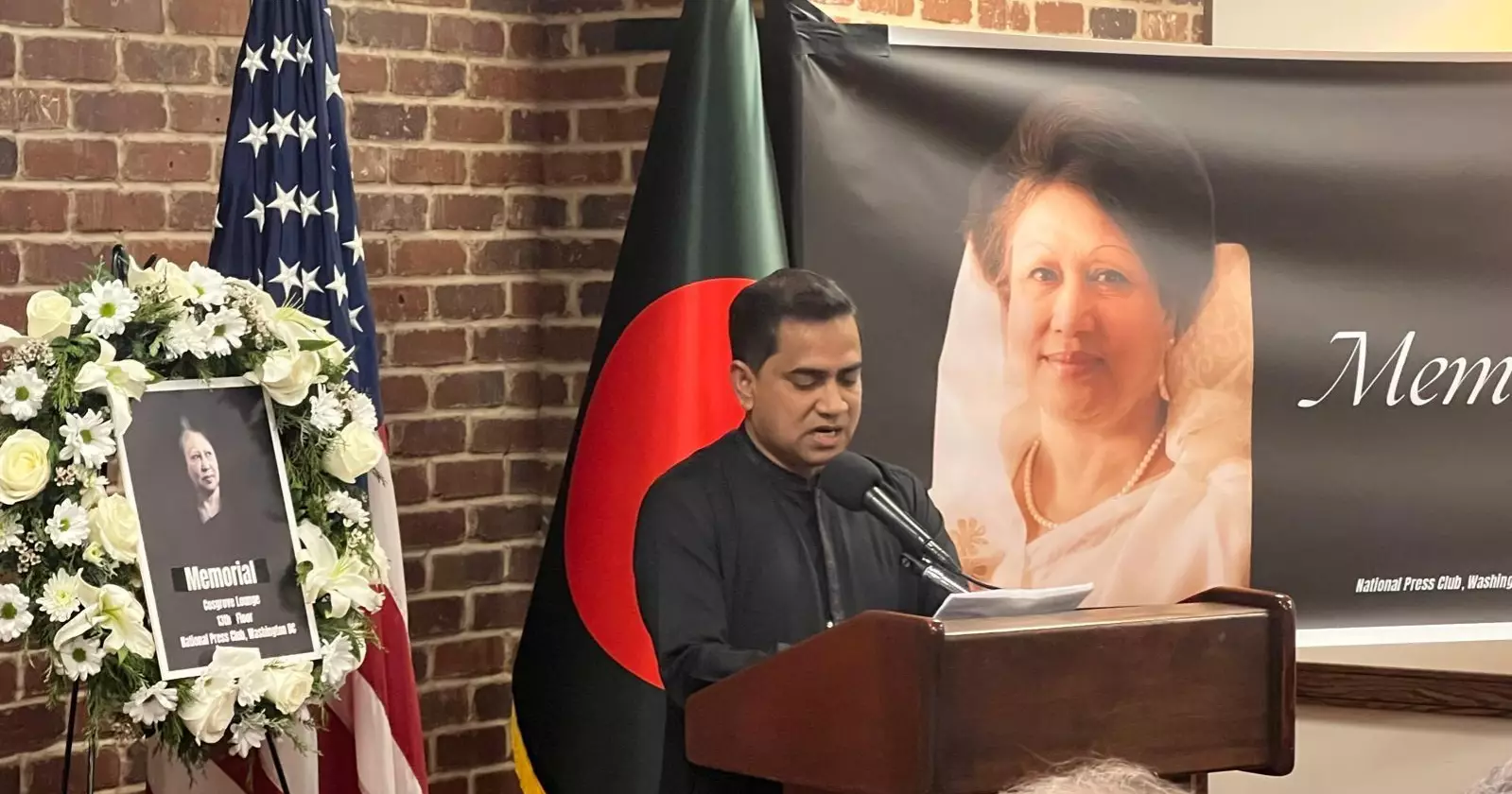
Diplomats, journalists and policymakers gathered at the National Press Club in Washington, D.C., to pay tribute to Bangladesh’s first female Prime Minister Khaleda Zia, honouring her political legacy, personal sacrifices and lifelong struggle for parliamentary democracy.
The memorial meeting, held on Monday evening at the century-old institution, reflected deep respect for Khaleda Zia’s role in shaping Bangladesh’s democratic journey.
Speakers highlighted her unwavering leadership, moral courage and enduring influence on the nation’s political and democratic institutions.
The event was organised by National Press Club member and Bangladesh’s Ambassador to Mexico, Mushfiqul Fazal Ansarey.
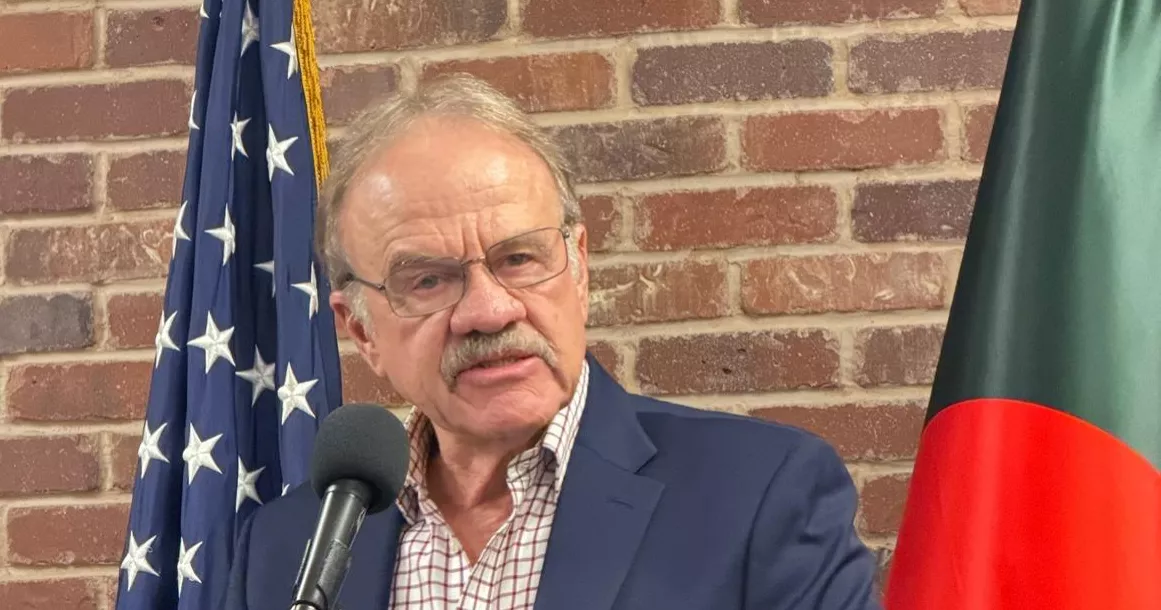
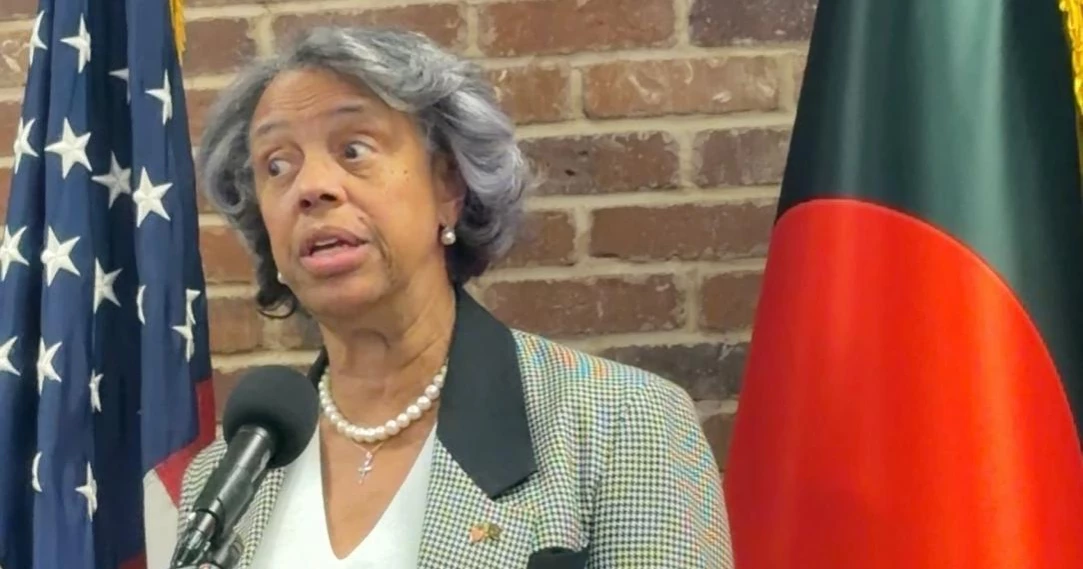
Among the speakers were National Press Club’s newly elected 119th President Mark Schoeff , former Associated Press editor Myron Belkind, former US Ambassadors to Bangladesh Dan Mozena and Marcia Bernicat, Stimson Center Senior Fellow Steve Rose , former head of VOA Bangla Iqbal Bahar Chowdhury, Press Minister at the Bangladesh Embassy Golam Mortoza, and American University law professor Ehteshamul Haq.
In his opening remarks, Ambassador Mushfiqul Fazal Ansarey said the gathering was not merely to remember a former prime minister, but to honor “a towering figure inseparable from the history of Bangladesh’s democratic struggle.”
“Begum Khaleda Zia was a protector of Bangladesh’s independence and sovereignty and a builder of economic progress. When democratic institutions were dismantled and dissenting voices silenced, she stood alone and fearless against authoritarianism. She was a rare and exemplary leader in world history,” he said.
Ambassador Ansarey traced the roots of Khaleda Zia’s courage to history, recalling the night of March 25, 1971, when Pakistani forces launched a brutal crackdown in East Pakistan.
He said Khaleda Zia blocked attempts to remove weapons from the East Bengal Regiment’s armory, insisting that no arms could be moved without the consent of her husband, Major Ziaur Rahman.
“By risking her life, she set an early example of resistance to oppression,” he noted, adding that Major Ziaur Rahman’s subsequent declaration of independence changed the course of history.
Referring to her later years, Ambassador Ansarey said Khaleda Zia was unjustly imprisoned due to political vendetta.