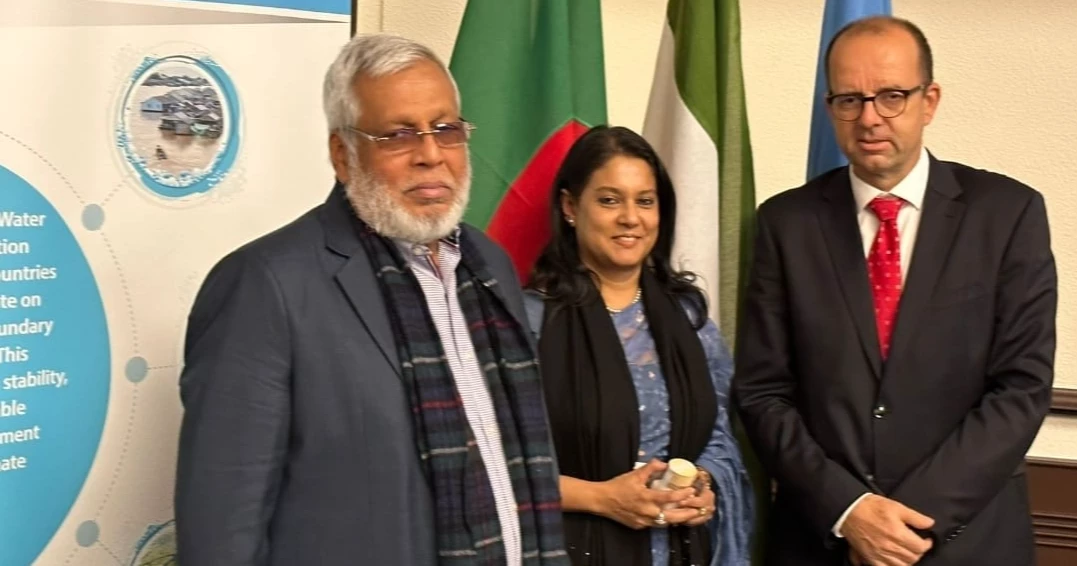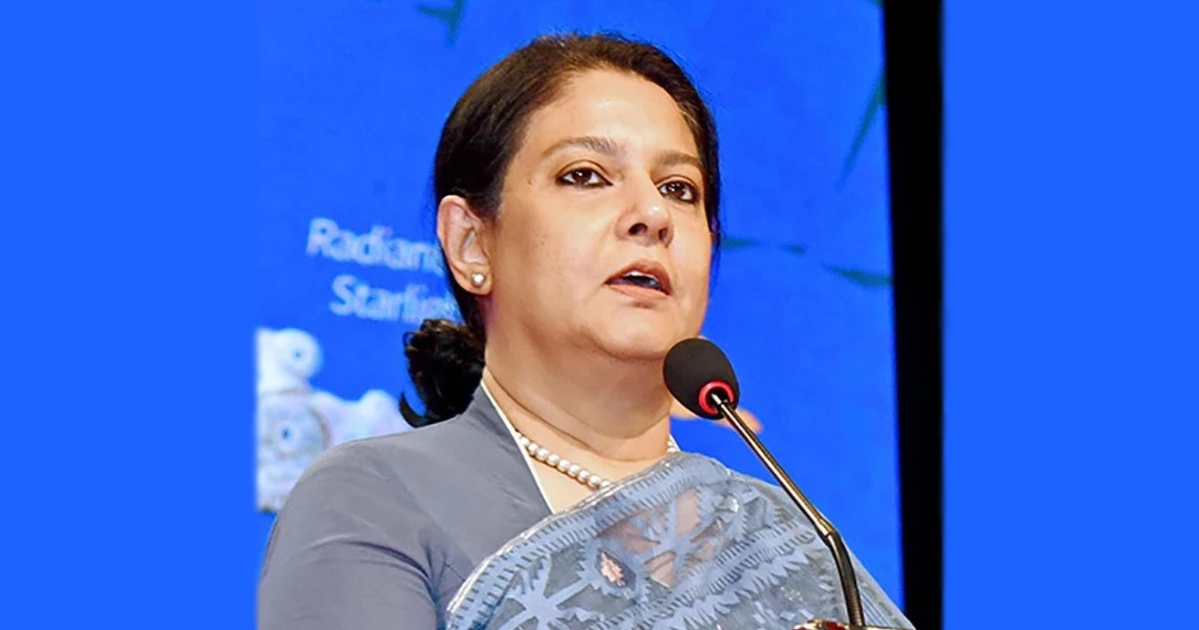
Highlighting the country’s deep-rooted connection with rivers, Environment Adviser Syeda Rizwana Hasan said “for Bangladesh, rivers are not just rivers – they are our lifeblood.”
She also called for equitable and cooperative management of shared water resources while addressing the 1st Session of the 6th Joint Meeting of the Working Groups on Integrated Water Resources Management and Monitoring & Assessment of the UN Water Convention, held in Switzerland’s Geneva on Monday.
Bangladesh, she noted, is the world’s largest river delta—formed by the Ganges-Padma, Brahmaputra-Jamuna, and Surma-Meghna basins—with over 90 percent of its surface water originating from beyond its borders.
As a lower riparian country, Bangladesh strongly advocates for the principles of equitable and reasonable utilization, participation, and no harm in managing transboundary rivers.
She informed the session that Bangladesh has made significant progress through bilateral treaties and the establishment of the Joint Rivers Commission, but emphasized that achieving basinwide regional cooperation remains a key policy goal.
The Adviser also referred to Bangladesh’s landmark Supreme Court judgment recognizing all rivers as “living entities” with legal personhood, a global example of environmental jurisprudence.