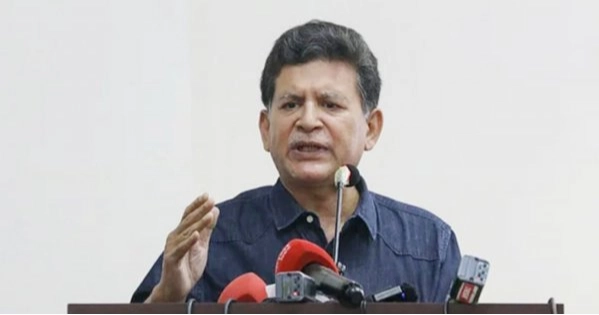
Solar energy could be a transformative opportunity in addressing Bangladesh's persistent fuel crisis, the executive chairman of the Power and Participation Research Centre (PPRC) Hossain Zillur Rahman said Saturday, warning that the country risks falling deeper into a structural "energy trap" if systemic reforms are not pursued.
Speaking at a PPRC flagship webinar titled "Today's Agenda: Economy Trapped in Energy Crisis," Hossain Zillur said the current fuel crunch is no temporary setback but a medium-term challenge that will resurface unless resolved at its roots.
Farmers struggle amid diesel crisis as solar irrigation projects lie idle in Manikganj
"If we cannot strengthen management processes, import administration and medium-term interventions, this crisis will deepen, and even if it eases temporarily, it will keep returning," he said.
Zillur noted that while authorities have taken various steps, these have been largely one-dimensional, focused on demand control rather than supply-side fixes.
He cautioned that bureaucratic constraints, unilateral decision-making without stakeholder consultation, and a failure to weigh the long-term consequences of policy choices could undermine core objectives.
Sector experts, private sector representatives, NGO professionals and media figures participating in the webinar painted a sobering picture of Bangladesh's energy outlook.
They said the economy is caught in a dual squeeze, volatile global fuel markets on one side and deep domestic structural weaknesses on the other.
Panellists noted that fuel price spikes, a protracted dollar shortage and an import-dependent economic structure are heaping additional pressure on manufacturing, agriculture, transportation and ordinary households.
The webinar also examined how the crisis was compounded by supply constraints, a demand-driven policy response, and a communication deficit that triggered panic buying. Even as the government introduced rationing-like measures, uncertainty drove consumers and small businesses to hoard fuel, worsening an already fragile situation.
Discussants observed that conditions gradually stabilised through demand management and closer monitoring, though not due to any significant improvement in supply.
Uneven fuel distribution across pumps and disproportionate local media coverage of shortages, they said, amplified public anxiety and sharpened the perception of crisis.
Effective public communication, they stressed, is as vital as supply management.
Looking ahead, speakers called for enhanced fuel storage capacity, better demand forecasting, coordinated communication strategies and a long-term commitment to energy diversification and efficiency.
The webinar's overarching conclusion was clear: Bangladesh's energy crisis reflects deep structural vulnerabilities, not a passing disruption, and meeting the challenge will require coherent policy, strong institutional coordination and a durable shift toward resilient, diversified energy systems.
The session was moderated by Hossain Zillur Rahman. Panellists included former Bangladesh Agricultural University Vice Chancellor MA Sattar Mandal, Trade Services International (TSI) Chairman Syed Mahmudul Huq, Padma Oil Company Limited Chairman and former Energy Secretary AKM Zafarullah Khan, Bangladesh Chamber of Industries (BCI) Chairman Anwar-ul Alam Parvez, and Bangladesh Petrol Pump Owners Association President Mohammad Nazmul Haq.