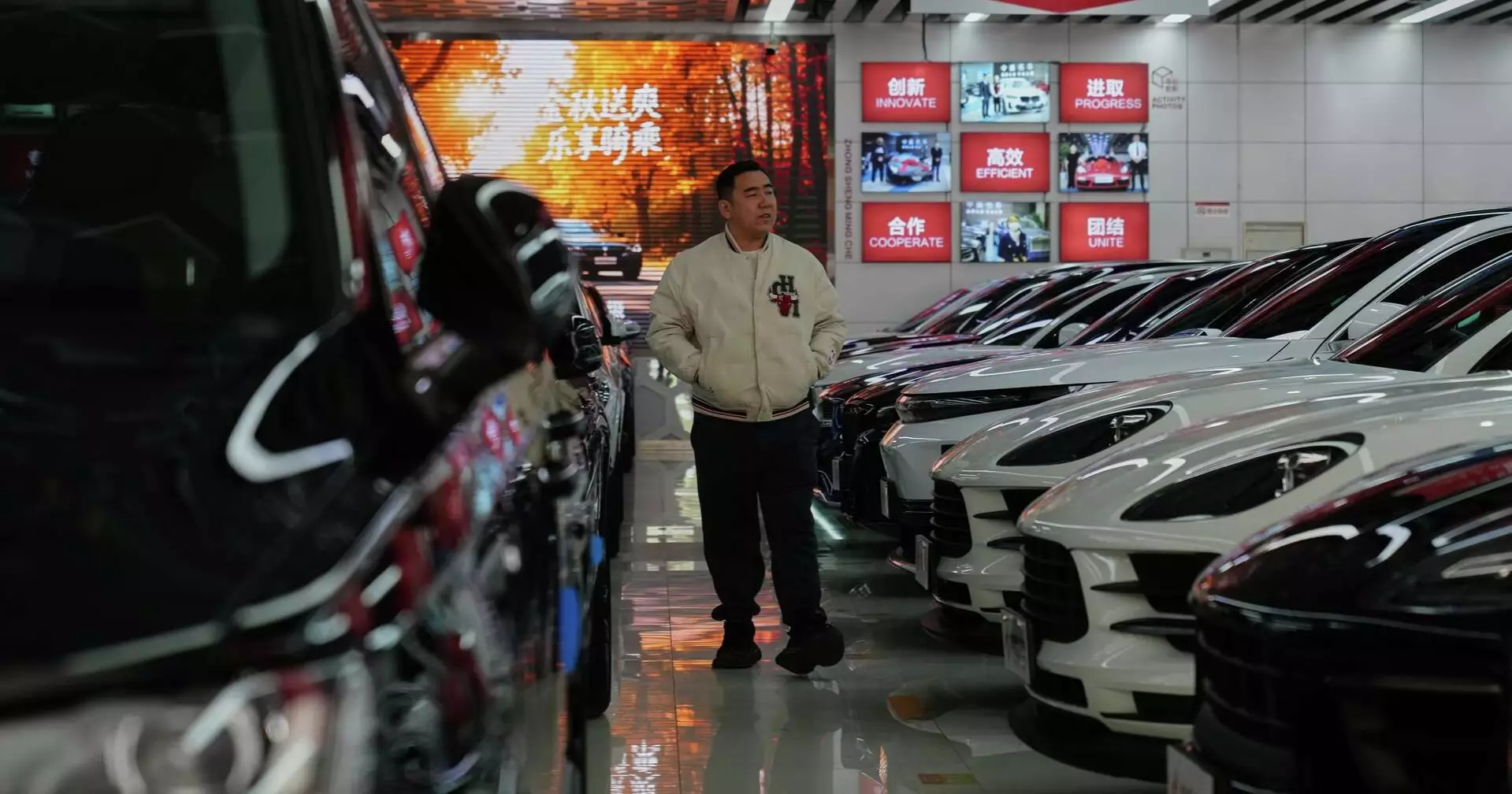
Demand for foreign luxury vehicles in China is weakening as buyers increasingly turn to lower-priced domestic brands that offer generous discounts and advanced technology, dealing a blow to European automakers long dominant in the premium segment.
A prolonged downturn in China’s property sector has dampened consumer confidence, curbing appetite for expensive purchases. At the same time, wealthy buyers are becoming more cautious about openly displaying affluence, analysts say. Government trade-in subsidies of up to 20,000 yuan for electric and plug-in hybrid vehicles have further pushed consumers toward cheaper models, most of which are produced by Chinese manufacturers.
Coca-Cola names longtime executive as next CEO
According to S&P Global Ratings, slowing economic growth is a major factor behind falling demand for premium cars such as Mercedes-Benz and BMW. After rising steadily for years, premium vehicles’ share of China’s auto market has begun to decline, dropping to 13% in the first nine months of 2025.
Chinese automakers, led by companies such as BYD, have gained ground through rapid innovation and aggressive pricing, even in the higher-end segment. Their market share has climbed to nearly 70% this year, while German, Japanese and U.S. brands have lost momentum.
European luxury brands have reported sharp sales declines in China, and the downturn has also driven down prices in the used luxury car market, reflecting broader caution among consumers facing an uncertain economic outlook.
Source: AP