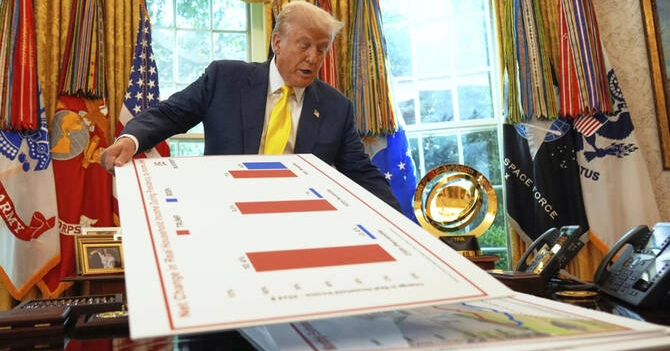
Despite campaigning in 2024 on promises to protect Black jobs and strengthen the economy, President Donald Trump’s policies have so far failed to deliver tangible gains for Black Americans. During one of his final rallies before last year’s election, Trump warned that Black workers were losing jobs at unprecedented rates and pledged that returning to the White House would reverse the trend.
However, with Trump in office since January, key economic indicators show worsening conditions for Black communities. Black unemployment has risen to 7.5% in 2025, the highest since October 2021, while homeownership has dropped to its lowest level since 2021, according to Redfin. Census Bureau data also show the median Black household income fell 3.3% last year to $56,020—roughly $36,000 below the median white household income.
The widening economic disparity has political implications. Black Americans, historically early indicators of broader labor trends, are facing disproportionate federal layoffs, with many government positions held by Black workers affected. Critics argue Trump’s focus on tariffs, spending cuts, and immigration enforcement has prioritized wealthy interests over the middle class.
White House clarifies $100K H-1B visa fee won’t affect current holders as Trump plan sparks concern
Some Black voters who supported Trump in 2024, motivated by concerns about inflation and affordability, now feel alienated. Surveys show economic stress remains high in Black households, and political analysts warn that continued neglect could jeopardize Republican prospects in key races.
Meanwhile, concerns over discriminatory policies, including proposed National Guard deployments to cities led by Black mayors and redistricting efforts, have heightened tensions. Many voters say Trump’s administration appears more focused on immigration enforcement and consolidating power than addressing the financial struggles of Black Americans.
Source: Agency