
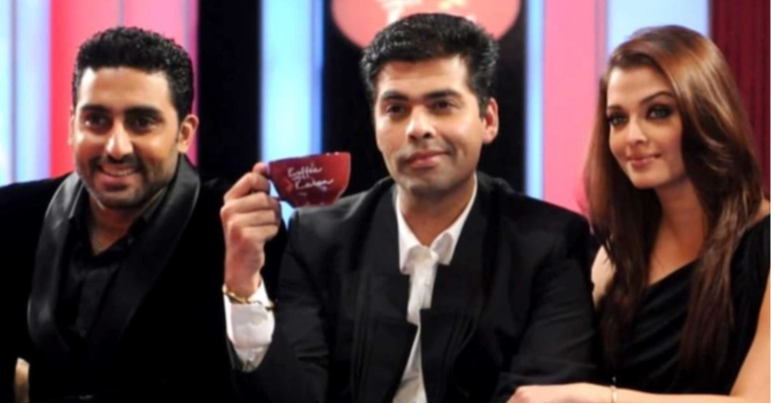
In recent weeks, several high-profile Bollywood personalities have approached the Delhi High Court to protect their “personality rights,” after unauthorised use of their images, names, and likenesses online and on merchandise.
Aishwarya Rai Bachchan led the move, filing a case after her photos and name appeared on T-shirts, mugs, posters, and AI-manipulated content like deepfakes without permission. The court granted her interim relief, stopping the sale and distribution of such items.
Abhishek Bachchan and filmmaker Karan Johar soon followed, highlighting similar misuse that could harm their reputation and commercial interests. The court acknowledged that such unauthorised use affects their professional image and deserved legal protection.
Lawyer Daksha Kumar explained that personality rights are like a “VIP pass” to one’s own identity, allowing individuals to control and profit from their image, voice, and name. Unlike copyright or trademark laws, personality rights in India are primarily protected through court rulings based on privacy and the tort of “passing off.”
Courts consider both financial and reputational harm. Misuse of a celebrity’s identity for profit without consent is commercial harm, while deepfakes or fake endorsements can cause severe reputational damage. Over time, unauthorised use can dilute a public figure’s carefully built brand and trust.
Celebrities must show that their identity was used without permission and for commercial purposes. Defendants then need to justify their actions. Parody, satire, or commentary are generally protected under free speech, but commercial exploitation always requires consent.
These cases underline that protecting reputation and dignity is as important as financial rights, especially in the digital era where AI can manipulate faces or voices in minutes. As the court noted in Aishwarya Rai Bachchan’s case, misuse of a persona “may cause commercial detriment and impact their right to live with dignity.”
Source: NDTV