Waste should no longer be viewed as a problem but rather as a resource, said experts on Wednesday, stressing reduction of raw material use across industries, including the garment sector, to protect the environment
Particularly in the garment industry, reducing the use of raw materials and reusing production waste can create new opportunities and business prospects for businesses, they said.
For Bangladesh to sustain the growth of its garment sector and other industries, and remain competitive in the global market, they observed that there is no alternative to this approach.
This has become even more critical in the context of Bangladesh’s graduation from Least Developed Country (LDC) status in 2026.
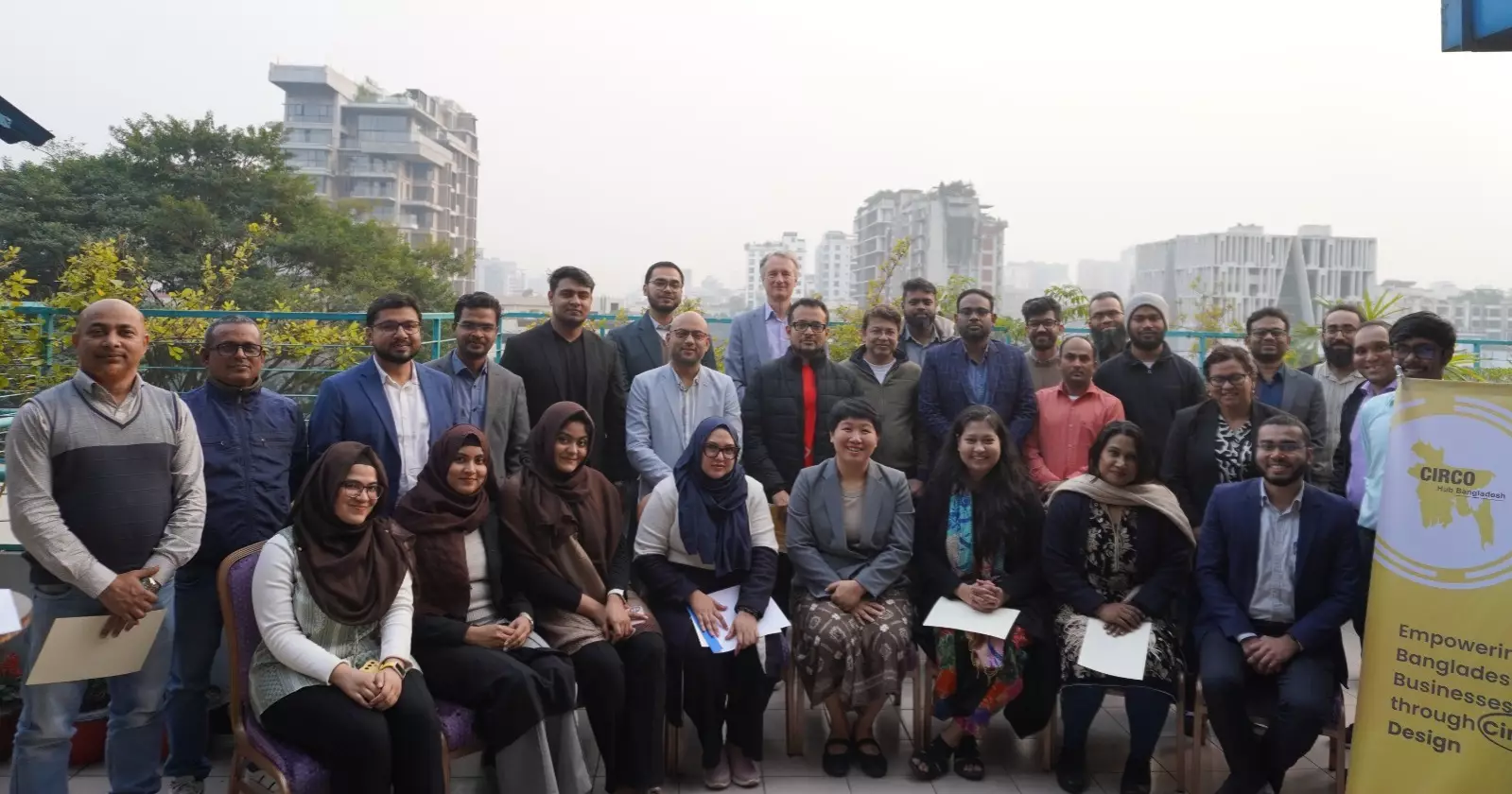
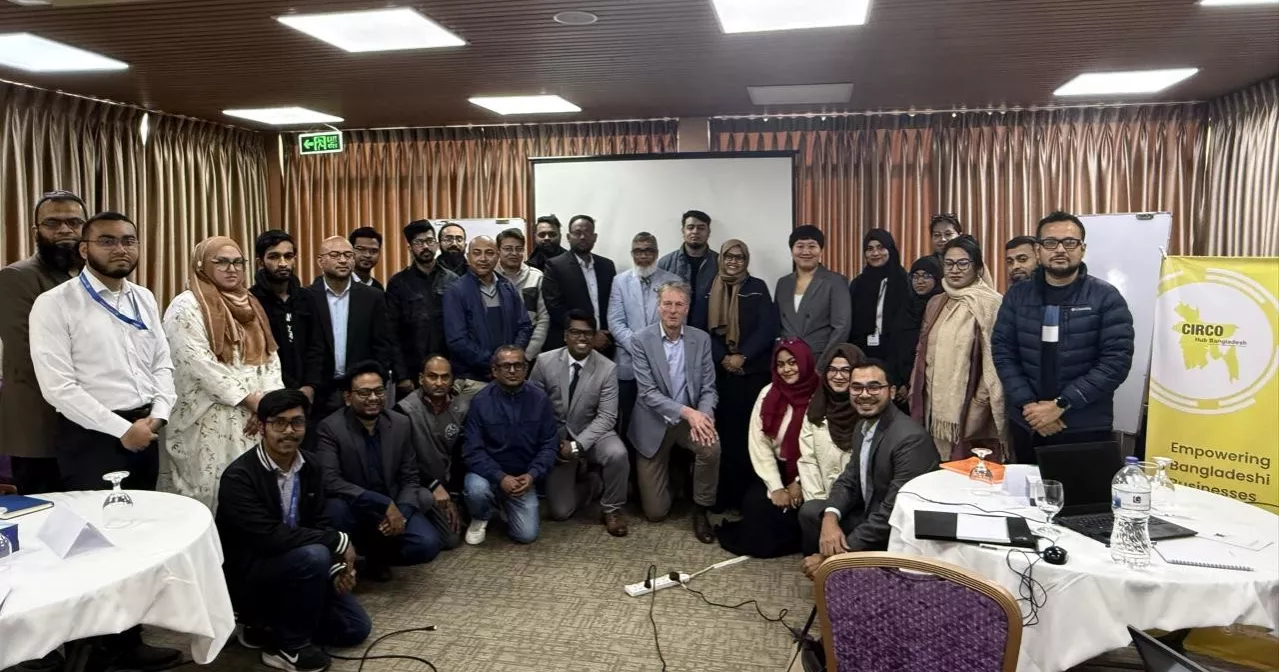
The views were shared at a training workshop titled “CIRCO Track”, held at a hotel in Gulshan, Dhaka.
The workshop was organized to promote the concept of the circular economy among businesses and to highlight the importance of transforming waste into resources within industrial establishments, with a focus on (re) designing existing processes to adhere to circular practices.
The workshop was conducted following the internationally recognized CIRCO scientific methodology with the end outcome being an implementable roadmap for their organization.
The event was organized by international business consultancy firm LightCastle Partners, with support from the Embassy of the Kingdom of the Netherlands in Bangladesh.
The three-day workshop was formally inaugurated on January 11 by Mohammad Sohel, Director of BGMEA.
The closing remarks were delivered by representatives of the Embassy of the Kingdom of Netherland in Bangladesh’s Economic Affairs department.
The closing remarks were delivered by. Tanzila Tajreen, Senior Policy Advisor for Private Sector Development, Economic Affairs from the Dutch Embassy in Bangladesh.
Trainers at the workshop included Pieter von Os, Co-founder of CIRCO International, and Nattinee Dora Sae-Ho, Trainer at CIRCO Hub Thailand, among others.
Speakers at the event noted that in response to global economic challenges, the European Union (EU) is increasingly moving toward environmentally sustainable production.
Ensuring environmental protection at every stage of the production process remains a significant challenge for Bangladesh and other developing countries.
The speakers further highlighted that in a highly competitive market, global buyers are increasingly shifting toward the use of recycled materials by 2030. In this context, CIRCO Hub Bangladesh will play a vital supporting role in helping local manufacturers meet international sustainability standards.
Organizers stated that officials from 10 companies in the RMG and textile sector participated in the workshop.
The participants included representatives from RMG sector SMEs, leading manufacturing firms, ecosystem players and BGMEA.
Over the coming months, the Hub will train a total of 60 professionals, two from each of 30 companies representing the business and design sides, through three additional specialized tracks.
These participants will be developed as “Circularity Ambassadors” and will help build a strong local ecosystem for innovation and policy advocacy.
CIRCO Hub Bangladesh is a strategic platform designed to guide small and medium-sized enterprises (SMEs), particularly in the Ready-Made Garment (RMG) and textile sectors, toward environmentally sustainable production practices.
Based on the academic framework of Delft University of Technology, the methodology is internationally recognized as a distinctive business model and design foundation.
Eco-friendly toilet papers gain popularity, but environmental impact varies
Under this platform, more than 2,500 companies worldwide are currently being supported. Recently, a roundtable discussion was organized with leading garment industry experts to make circularity more accessible, open, and widely adoptable.
In practice, the ready-made garment industry is already producing mattresses and pillows using cut waste (“jhut”), while yarn is now being manufactured from discarded plastic bottles.
These initiatives not only ensure business profitability but also significantly reduce waste, generating positive outcomes for both the economy and the environment.