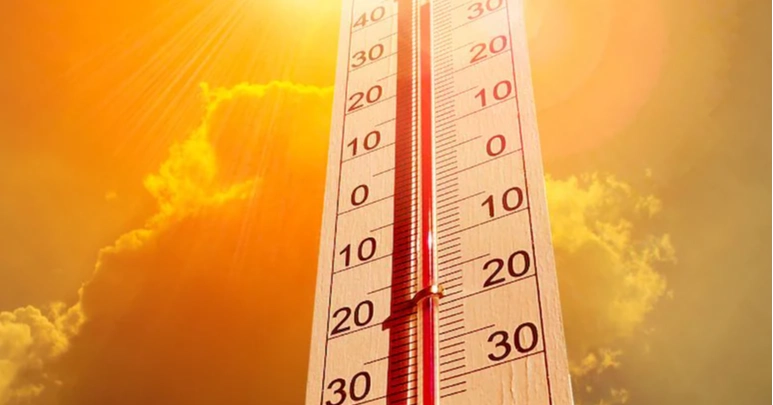
India is likely to experience higher-than-average temperatures this summer, along with more frequent heatwaves that could impact health and daily life, the weather department cautioned.
While extreme heat is common in India, climate change has been making heatwaves longer, more intense, and more frequent, according to scientific studies.
The summer season, lasting from April to June, often sees temperatures exceeding 45°C (113°F). This year, most regions are expected to face "above-normal" peak temperatures, the Indian Meteorological Department (IMD) stated in its latest forecast.
Heatwave days—marked by temperatures significantly higher than usual—are also predicted to rise. "Parts of east India could see up to 10 or more heatwave days, increasing heat-related risks," IMD chief Mrutyunjay Mohapatra said.
Typically, India records four to seven heatwave days during this period.
Vulnerable groups, including infants, the elderly, those with health conditions, and outdoor laborers, are at greater risk.
Extreme heat can lead to heat stress, causing symptoms from dizziness to life-threatening conditions like organ failure. Urban areas, with heat-trapping concrete and asphalt, face heightened dangers.
Extended heatwaves also strain infrastructure, including power and transport systems. The IMD urged authorities to implement heat action plans, such as setting up cooling centers, issuing heat alerts, and reducing urban heat effects.
Last year, India endured its longest heatwave on record, with temperatures consistently above 45°C. The World Health Organization estimates heat-related deaths at least 500,000 annually, though the actual toll could be much higher.
Source: NDTV