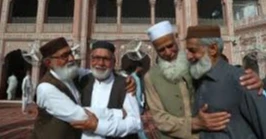
Muslims around the world are preparing to observe Ramadan, the Islamic holy month marked by daily fasting from dawn until sunset. For the faithful, it is a period of intensified worship, spiritual reflection and charitable giving. It is also a socially significant time, as families and friends gather in the evenings to share meals that break the fast.
Ramadan concludes with the celebration of Eid al-Fitr, one of Islam’s major holidays.
Ramadan likely to begin around Feb. 18-19
Ramadan is the ninth month of the Islamic lunar calendar, which rotates through the seasons. Its beginning is traditionally determined by the sighting of the crescent moon.
This year, Ramadan is expected to start on or about Feb. 18 or 19, although the exact date may vary from country to country. Differences arise because Islamic authorities worldwide may rely on moon sightings or distinct calculation methods to announce the start of the month.
Notably, Ramadan this year is expected to commence around the same time as Ash Wednesday, which marks the beginning of Lent, a solemn season of fasting and repentance for Catholics and many other Christians.
Fasting as a core pillar of Islam
Fasting during Ramadan is one of Islam’s Five Pillars, alongside the declaration of faith, daily prayers, almsgiving and pilgrimage to Mecca.
Muslims view fasting as both an act of devotion and a means of developing greater piety and self-discipline. Observers say it teaches patience, fosters gratitude and deepens empathy for those facing poverty and hunger.
Throughout Ramadan, Muslims abstain from all food and drink — including water — between dawn and sunset. The fast is broken at sunset with a meal known as iftar. Before dawn, many eat a pre-fast meal called suhoor to prepare for the day ahead.
Mosques typically see increased attendance, with worshippers engaging in congregational prayers, recitation of the Quran and extended periods of contemplation.
Charitable acts are especially emphasized. Many people distribute food packages, sponsor iftar meals for those in need or take part in community dinners that offer free meals.
Who is exempt from fasting
Islam provides exemptions for individuals who are unable to fast due to valid reasons such as illness or travel. Those who miss fasts for temporary reasons are generally required to make up the missed days later.
Cultural expressions and social traditions
While fasting is a religious obligation, many customs associated with Ramadan are shaped by local culture. Traditions differ across regions, though communal gatherings after sunset are a common feature.
Some families decorate their homes with Ramadan-themed ornaments and table settings, and markets and special bazaars often see increased activity.
In Egypt, the month takes on a festive atmosphere. Colorful lanterns adorn homes and streets, and traditional songs welcome the arrival of Ramadan. A long-standing custom involves a “mesaharati” walking through neighborhoods before dawn, beating a drum and calling out to residents to wake them for suhoor.
Television programming also plays a prominent role in some countries, with new drama series released during the month and advertisers competing for audiences. While some Muslims express concern that commercial activities and lavish iftar gatherings may overshadow the spiritual focus of Ramadan, others believe a balance can be maintained.
In Indonesia, Ramadan practices reflect regional diversity. In Aceh province, for example, families observe Meugang by slaughtering livestock and sharing meat with relatives and the needy. In Tangerang, near Jakarta, residents gather at the Cisadane River for a symbolic cleansing ritual before the month begins. In parts of Sumatra, children and teenagers parade through the streets after evening prayers, carrying torches and singing Islamic songs.
In the United States, where Muslims represent a diverse minority, many families attend iftar meals and prayers at mosques and Islamic centers to strengthen communal bonds. Interfaith iftar gatherings are also organized in some communities to promote understanding and solidarity.
Across cultures and continents, Ramadan remains a time of devotion, generosity and shared experience for Muslims worldwide.