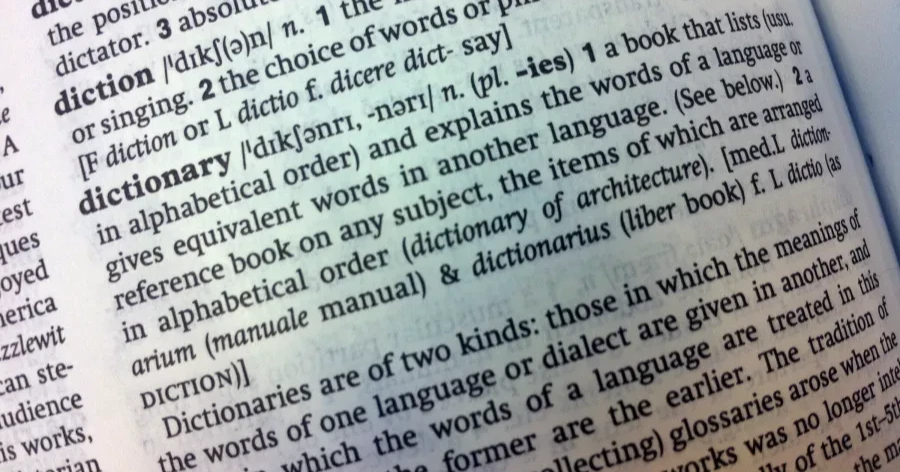
The Cambridge Dictionary has added more than 6,000 new words this year, including social media-driven slang like “skibidi” and “tradwife.”
“Internet culture is reshaping the English language, and it’s fascinating to capture these changes in the dictionary,” said Colin McIntosh, lexical program manager at Cambridge Dictionary, the world’s largest online dictionary.
Skibidi — coined from an animated YouTube series — can mean “cool,” “bad,” or be used playfully with no specific meaning. Meanwhile, tradwife is short for “traditional wife,” describing a married woman who embraces homemaking and often shares her lifestyle online. Another addition, delulu (from “delusional”), refers to believing things that are not real, often by choice.
Christian Ilbury, a sociolinguistics lecturer at the University of Edinburgh, noted that many of the new entries emerged on platforms like TikTok, where younger generations communicate. He added that terms such as delulu actually predate social media, but wider online use boosted their visibility.
Other additions reflect broader trends: mouse jiggler — a gadget or software used to fake computer activity while not working, a term popularized by remote work — and forever chemical, describing persistent and harmful environmental pollutants.
Students face arrests and office calls over AI surveillance false alarms
Cambridge Dictionary said its decisions are guided by the Cambridge English Corpus, a database of over 2 billion written and spoken words, which helps track real-world usage.
“A dictionary is a public record of how language is used,” Ilbury explained. “If people are saying skibidi or delulu, the dictionary should reflect that.”
McIntosh stressed that only words with “staying power” were added.
Source: Agency