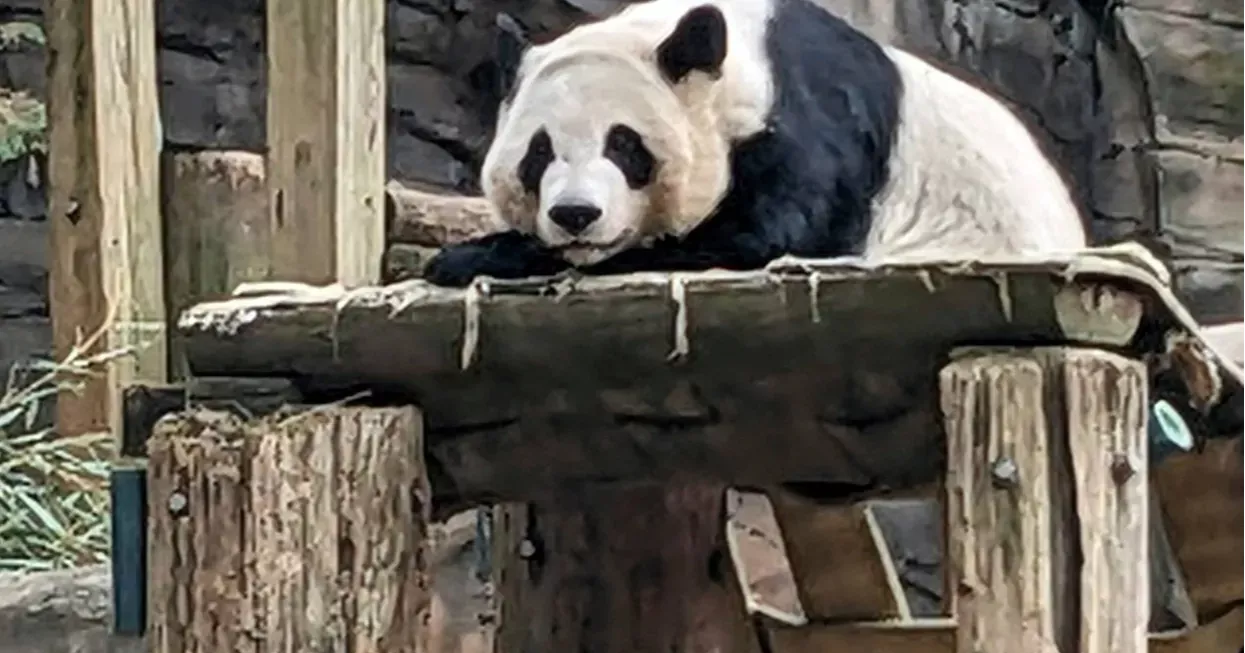
China has announced it will send a new pair of giant pandas to Zoo Atlanta, marking a fresh phase of panda cooperation with the United States despite ongoing tensions between the two countries.
According to the China Wildlife Conservation Association, a male panda named Ping Ping and a female named Fu Shuang will be sent from the Chengdu Research Base of Giant Panda Breeding. The move is part of a 10-year conservation partnership agreement signed with the zoo last year.
The association did not mention when the pandas will arrive but said preparations are underway in the United States, including upgrades to the animals’ living facilities to ensure a safe and comfortable environment. Chinese experts have also provided technical support for the improvements.
The announcement comes just weeks before a planned visit by US President Donald Trump to China in mid-May, where he is expected to hold talks with President Xi Jinping on several issues, including trade.
Zoo Atlanta welcomed the news, saying it is honored to care for the pandas and continue working with Chinese partners.
“We can't wait to meet Ping Ping and Fu Shuang and welcome visitors back to experience the joy of giant pandas,” said Zoo President Raymond B. King.
China’s Foreign Ministry said the new cooperation will help improve panda care, support global biodiversity efforts and strengthen ties between the people of China and the United States.
Under a previous agreement that ended in 2024, Zoo Atlanta housed pandas Lun Lun and Yang Yang, which gave birth to seven cubs. The two pandas and their youngest offspring returned to China in October 2024, joining their other cubs already there.
Giant pandas have long been seen as a symbol of friendship between China and the United States, dating back to 1972 when China gifted a pair to the National Zoo in Washington. Since then, China has used panda loans as part of its international diplomacy efforts.
Officials say the renewed cooperation will also support research, including disease prevention, treatment and scientific exchange between the two countries.
The International Union for Conservation of Nature removed giant pandas from its endangered list in 2016, reclassifying them as “vulnerable.”
In 2024, the National Zoo in Washington and the San Diego Zoo also received pandas from China.