Strolling through a leafy park or along a forest trail is often seen as the ultimate stress reliever. The crunch of fallen leaves, the sound of a rushing stream, and the gentle rustle of trees all combine to calm the mind. But could a walk through busy city streets offer similar benefits?
Researchers say yes — if you know where and how to walk.
While nature walks are widely known to lower stress, improve focus, and promote mental well-being, new studies suggest that walking in urban environments can also provide meaningful psychological benefits. The key, experts say, lies in paying attention to your surroundings and finding elements that engage your senses.
Whitney Fleming, an environmental psychology researcher at Bangor University in Wales, said people shouldn’t underestimate the value of urban greenery. “Look at the green,” she said. “Most cities have greenery. No matter where you are, you can find a nice tree.”
Walking itself is a powerful form of moderate exercise that can help reduce the risk of heart disease, high blood pressure, dementia, depression, and certain cancers, she added. But being mindful of nature — even in small doses — can amplify those benefits. Fleming’s research found that people who noticed plants while walking felt significantly less anxious and more positive than those focused on man-made surroundings.
“Having natural elements to look at in cities is really important because you can still receive benefits even when not in a purely natural setting,” she said.
Other researchers argue that urban environments, too, can nurture mental well-being. Cesar San Juan Guillen, a social psychology professor at the University of the Basque Country in Spain, said earlier studies often unfairly compared peaceful nature scenes with stressful cityscapes.
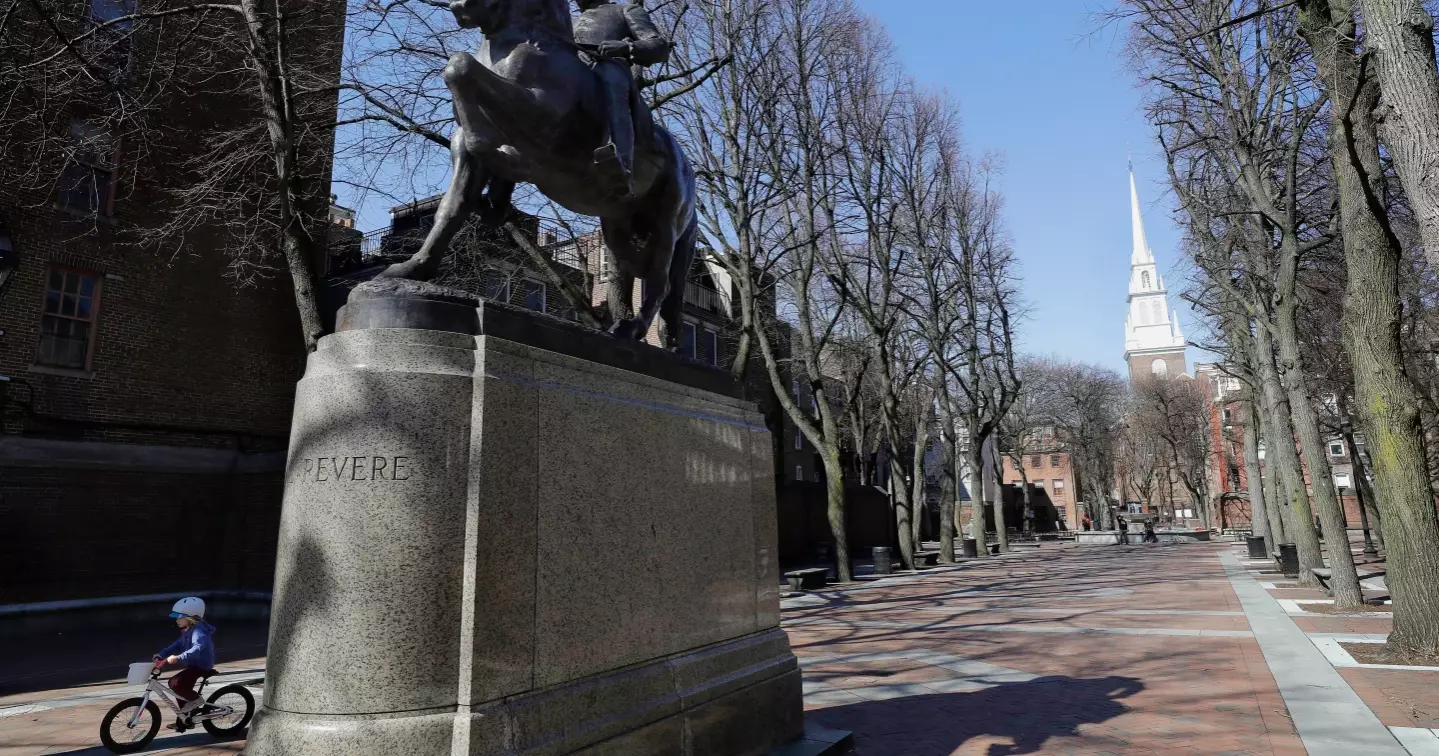
His research compared visitors to a green urban park with those spending time in a lively plaza featuring a historic church, playground, and cafes. Both groups reported improved focus and fewer negative emotions, but those in the busier plaza felt even more energized and relaxed.
Historic city centers, cemeteries, and places with sweeping views can spark what psychologists call “soft fascination” — a gentle, restorative form of attention. “This type of involuntary attention may be more effective at helping people recover from mental fatigue caused by work or study,” San Juan Guillen said.
Urban design also plays a role in how people experience city walks, said Tristan Cleveland, an urban planning consultant with Canadian firm Happy Cities. His research shows people tend to walk faster past blank walls and are less likely to stop and chat.
To get the most out of a city walk, Cleveland recommends routes that evoke interest and pleasure — what he calls the “first kiss test.” “If it’s a place you’d take someone on a date, it’s probably the right kind of place for a walk,” he said.
Annabel Abbs-Streets, author of The Walking Cure and 52 Ways to Walk, agreed, saying moments of joy can be found anywhere — from the historic streets of Dubrovnik to the peaceful cemeteries of London.
“It’s not that green is good and gray is terrible,” she said. “They’re just different — and sometimes that difference itself can be good.”
Source: AP