As many companies are requiring employees to return to the office, Dropbox says it remains committed to a remote work model that allows most of its staff to work from anywhere.
The San Francisco-based Dropbox adopted a “virtual-first” model in 2020 during the COVID-19 pandemic and has continued with the approach after meeting all of its financial goals, according to Chief People Officer Melanie Rosenwasser.
Rosenwasser told The Associated Press that the company believes flexibility has become one of the most important aspects of modern work and has helped Dropbox recruit and retain employees while reducing costs.
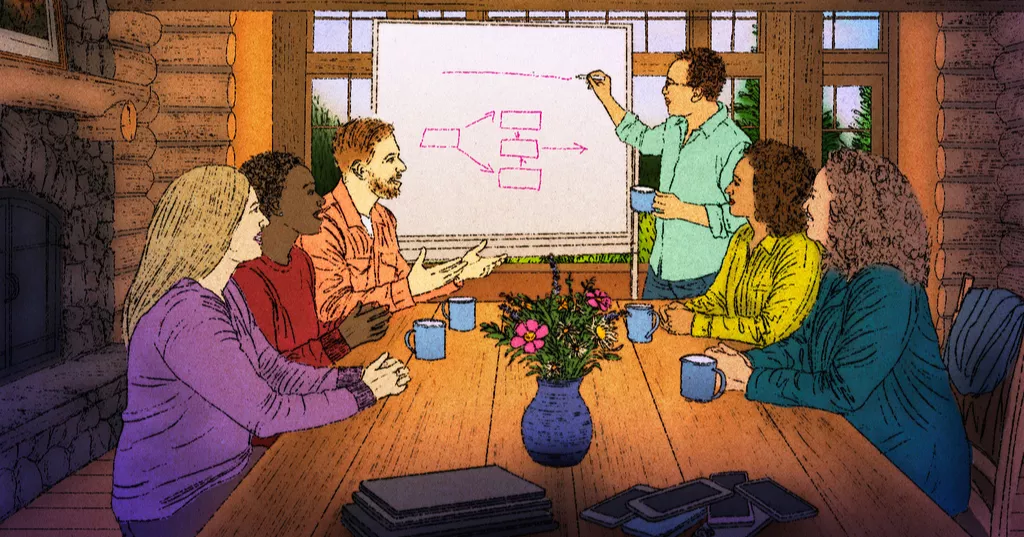
Under the virtual-first model, employees work remotely for most of the year but meet in person at least once every quarter for strategic planning, team building and strengthening workplace relationships.
Dropbox does not follow a hybrid model, which Rosenwasser said often forces workers to endure long commutes only to spend the day in online meetings.
The company relies heavily on written communication and asynchronous work, allowing employees to collaborate and make decisions without needing to be online at the same time.
Staff also observe four-hour “core collaboration hours” that overlap across time zones. Outside those hours, employees are free to arrange their work schedules to suit their personal responsibilities and preferences.
To reduce time wasted in meetings, Dropbox only schedules meetings when there is a need to discuss, debate or decide an issue.
Rosenwasser said burnout remains one of the biggest challenges of remote work because personal and professional boundaries can become blurred.
To address this, the company encourages flexible workdays and has tested initiatives such as “Meet & Move,” in which employees take phone meetings while walking rather than sitting at a desk.
Dropbox has also reorganized internal meetings to give workers longer blocks of uninterrupted time for focused tasks.
To maintain a sense of community, the company holds quarterly off-site gatherings and sponsors optional local events for employees who live in the same cities.
New employees are paired with onboarding buddies and mentors to help them adjust and build connections.
Rosenwasser said the remote work model has led managers to focus more on clear goals and measurable results instead of monitoring whether employees are physically present in an office.