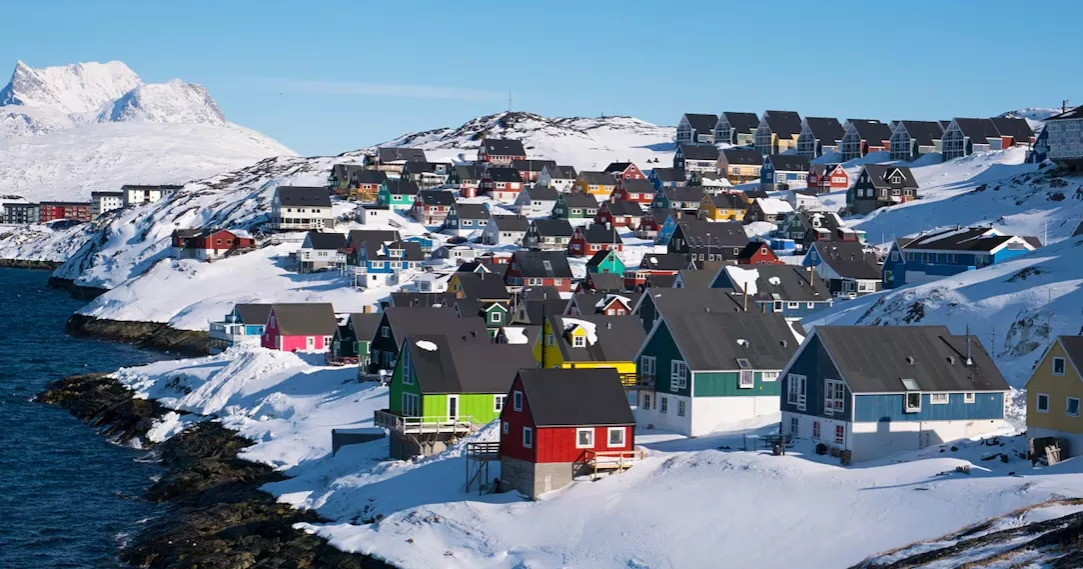
Greenland, an autonomous territory of the Kingdom of Denmark, is the world’s largest island. Nestled between the Atlantic and Arctic oceans, it primarily experiences two distinct seasons: long, dark winters from October to May and bright, sunlit summers from June to August.
Many also describe spring as occurring between March and May and autumn between September and October. Regardless of the season, Greenland is known for its stunning landscapes and picturesque skies, which remain a constant attraction throughout the year.
According to a December 2024 report by The Guardian, 92,673 tourists visited Greenland in 2022, rising to 131,767 in 2023. A CNN report noted that the island welcomed 141,000 visitors in 2024, with figures for 2025 yet to be released.
Despite past US President Donald Trump’s interest in acquiring Arctic territories, Greenland remains a highly sought-after destination for travelers. Visitors are drawn not only to its dramatic scenery but also to experiences such as viewing the Northern Lights, exploring Inuit culture, witnessing the midnight sun during summer, and taking part in adventure activities.
What visitors should know as Louvre ticket prices jump by 45% for many tourists
Here’s a look at how Greenland appears during its winter and summer seasons.
Greenland in winter
For those seeking a true winter wonderland, Greenland offers a chilly paradise from October through May, with temperatures ranging from -9°C to -30°C. The northern regions experience polar nights, where the sun does not rise from November to January, while the southern areas receive some daylight.
Despite the freezing conditions, visitors can enjoy a variety of activities such as Arctic ice tours, dog sledding, skiing, and snowshoeing. The northern polar nights also provide an opportunity to witness the aurora borealis, along with experiencing local life in small towns.
Spring begins in March, bringing daylight to both northern and southern regions. With sunlight reflecting off vast expanses of snow and ice, tourists are advised to wear sunscreen and sunglasses. This season also offers unique experiences such as polar plunges into icy waters, combining winter fun with bright, photogenic landscapes.
Winter storms dump snow and ice across New England
Greenland in summer
Though brief, summer in Greenland is enchanting, particularly north of the Arctic Circle, where the Midnight Sun keeps daylight constant for 24 hours. Temperatures are milder, ranging from 5°C to 15°C, allowing visitors to wear lighter clothing.
As snow melts, it unveils cascading waterfalls, green tundra, and vibrant wildflowers. Wildlife enthusiasts can spot musk ox, whales, birds, arctic hares, and reindeer. Adventure seekers can enjoy kayaking, hiking, and sailing through fjords, while icebergs, misty mornings, and local cuisine add to the charm of the season.
Summer gradually gives way to autumn, with shorter days and the return of aurora sightings. Visitors can continue camping, water activities, and outdoor exploration as long as sunlight permits, making Greenland a year-round destination for nature lovers and adventurers alike.
#With inputs from NDTV