
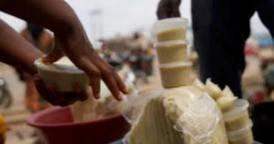
Nigeria has imposed a temporary ban on the export of raw shea nuts, a key ingredient in cosmetic products, as part of a strategy to strengthen its domestic processing industry and increase its share of the global skincare market.
Vice President Kashim Shettima announced the six-month ban, which will be reviewed afterward. The goal, he said, is to shift Nigeria from being an exporter of raw materials to a major producer of refined shea butter, oils, and other skincare derivatives.
Nigeria joins several other West African nations, such as Burkina Faso, Mali, Togo, Ivory Coast, and Ghana, which have also restricted shea nut exports in recent years.
"This isn’t about blocking trade but about adding value," Shettima explained. He said the move is intended to secure raw materials for local manufacturers, increase income, and create jobs for rural communities.
Shea nuts, when processed, produce shea butter, widely used in lotions, shampoos, conditioners, and moisturizers.
"It's a crucial ingredient for skincare, especially as people seek non-toxic products," said Zainab Bashir, a dermatologist based in Abuja.
Although Nigeria supplies about 40% of the global raw shea nut output, it holds just 1% of the $6.5 billion global market for finished shea-based products, according to Shettima.
This policy follows the recent launch of a large shea butter processing facility in Niger State, which officials described as among the biggest in Africa.
Government officials believe the export ban could generate $300 million in short-term revenue, with projections reaching $3 billion by 2027 if sustained.
However, some analysts say the ban needs to be accompanied by greater investment in domestic processing.
Ikemesit Effiong, an analyst at SBM Intelligence, said the policy implies the government sees a supply shortfall, but that simply banning exports may not guarantee that raw shea nuts will stay in the country for local use.
The ban also appears to clash with President Bola Tinubu’s pro-market stance. Since taking office, Tinubu has eliminated fuel and electricity subsidies, floated the national currency, and reversed previous import bans, signaling support for a more open economic approach.