As hypertension and other NCDs continue to rise in Bangladesh, ensuring adequate budget allocation in the 2026–27 national budget is vital to improve access to essential medicines and address gaps in sustainable health financing..
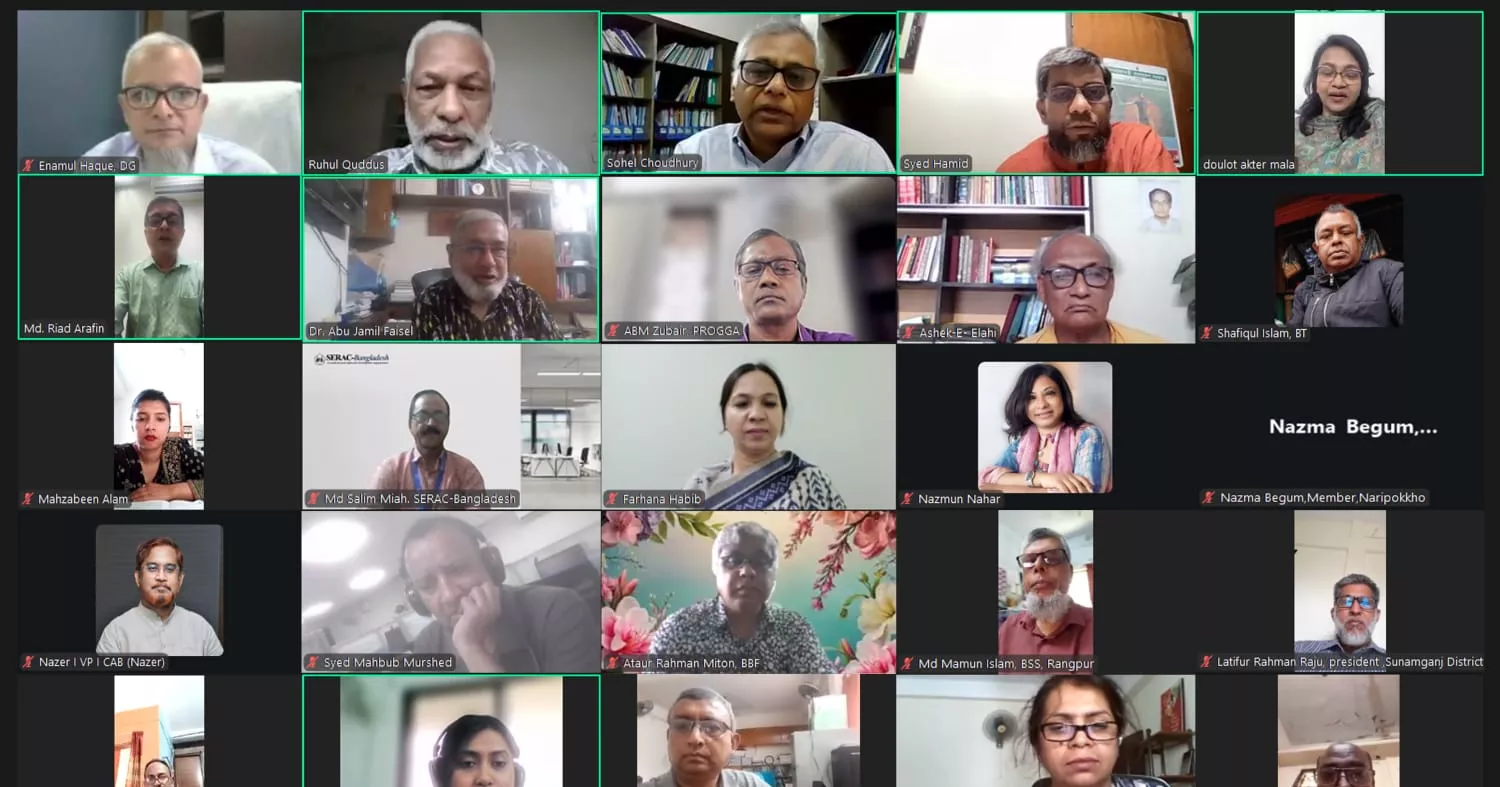
These facts and recommendations were highlighted at a webinar, held on Monday titled “Sustainable Financing for Hypertension Control: Bangladesh Perspective,” organized by research and advocacy organization PROGGA (Knowledge for Progress) with support from the Global Health Advocacy Incubator (GHAI), marking World Health Day 2026. Tomorrow, 07 April, this day will be observed under the theme, “Science in Healthcare, Protecting All Lives.”
Measles outbreak: All leaves for health officials cancelled nationwide
Speakers at the webinar noted that the growing prevalence of hypertension is significantly increasing the burden of non-communicable diseases in Bangladesh. According to the Health and Morbidity Status Survey-2025 by Bangladesh Bureau of Statistics (BBS), hypertension ranks first among the top ten diseases in the country. Currently, 71% of total deaths in Bangladesh are caused by NCDs. However, budget allocation for this sector remains critically low, accounting for only 4.2% of the total health budget.
The webinar also highlighted that although the government has made a landmark decision to supply hypertension medicines in all Community Clinics, uninterrupted availability of these medicines is being hindered due to insufficient budget allocation. As a result, delivery of free hypertension medication for marginalized populations remains a challenge.
Dr. Md. Enamul Haque, Director General (Additional Secretary), Health Economics Unit, stated, “To ensure the supply of hypertension medicines in all Community Clinics, increasing budget allocation is essential. At the same time, efficient and strategic utilization of allocated funds can significantly improve hypertension control nationwide.”
Professor Dr. Sohel Reza Choudhury, Head of the Department of Epidemiology & Research, National Heart Foundation Hospital & Research Institute, said, “Hypertension is a silent killer and a major cause of premature death. Sustainable financing can ensure regular medicine supply at Community Clinics, which would significantly reduce health risks related to hypertension.”
Professor Dr. Syed Abdul Hamid, Institute of Health Economics, University of Dhaka, emphasized, “Alongside sustainable financing, effective implementation of public health policies and plans is crucial for controlling hypertension.”
Md. Riad Arafin, Deputy General Manager (Sales & Marketing), Essential Drugs Company Limited, noted, “Ensuring adequate budget allocation will make it possible to maintain uninterrupted medicine supply for marginalized communities.”
Doulot Akter Mala, President, Economic Reporters’ Forum (ERF), remarked, “While deaths from non-communicable diseases are high, budget allocation remains very low. Increasing allocation to this sector is essential to protect public health.”
Other discussants at the webinar included Muhammad Ruhul Quddus, Bangladesh Country Lead, GHAI and Dr. Abu Jamil Faisel, President Elect, Public Health Association of Bangladesh. The webinar was chaired by ABM Zubair, Executive Director, PROGGA and moderated by Samiha Bintay Kamal, Program Officer, PROGGA.