
Every spring for about two weeks, the strong, sweet aroma from my two lilac bushes by the front gate draws compliments from mail carriers, delivery folks, and anyone passing by. On breezy days, the scent drifts to the front door or even inside if the windows are open.
Few flowers can match that level of fragrance. Some never had it, and others have lost it over time due to breeding efforts focused on size, appearance, resilience, and disease resistance — often at the cost of scent. Today, many carnations, violas, and even some modern roses lack the fragrance they once had.
But if you're looking for flowers with a truly captivating scent, there are still great options that will delight your senses.
How to pick the most fragrant flowers
Not all lilacs smell the same. One of the most fragrant varieties is the dwarf Korean lilac, Syringa meyeri ‘Palabin’, which thrives in zones 3–7. Other strongly scented choices include Syringa x Josee (zones 2/3–9), Syringa vulgaris ‘Krasavitsa Moskvy’ (Beauty of Moscow, zones 3–7), and Syringa vulgaris ‘President Lincoln’ (zones 3–7).
For a memorable, sweet scent and striking blooms, consider magnolias. The southern magnolia (Magnolia grandiflora) is known for its large, fragrant flowers and grows well in zones 7–9. The sweet bay magnolia (Magnolia virginiana), which is more cold-tolerant, suits zones 5–10.
Another option is the Texas lilac, or chaste tree (Vitex), which blooms in midsummer with purple flowers and a pleasant aroma. It’s best for zones 6–9.
Old-fashioned roses — the heirloom varieties untouched by modern breeding — may only bloom once per year, but their deep, classic rose fragrance makes them worth growing. Look for types in the tea, gallica, damask, and alba groups for the most powerful scent.
Among vines, star jasmine (Trachelospermum jasminoides) is a standout. This evergreen vine produces starry white flowers with a heady fragrance and is perennial in zones 7–10. In colder areas, grow it in a large container that you can move indoors for winter. Common jasmine (Jasminum officinale) is unrelated but equally fragrant.
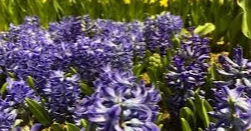
For early spring fragrance, plant Dutch or common hyacinths (Hyacinthus orientalis) in the fall near your entrance (zones 4–8).
Sweet peas (Lathyrus odoratus) — unrelated to edible peas — are beloved annuals with an intensely sweet aroma. Other fragrant annuals include heliotrope (a tender perennial in zones 9–11) and flowering tobacco (Nicotiana), though scent strength can vary by variety. When choosing plants, follow your nose!