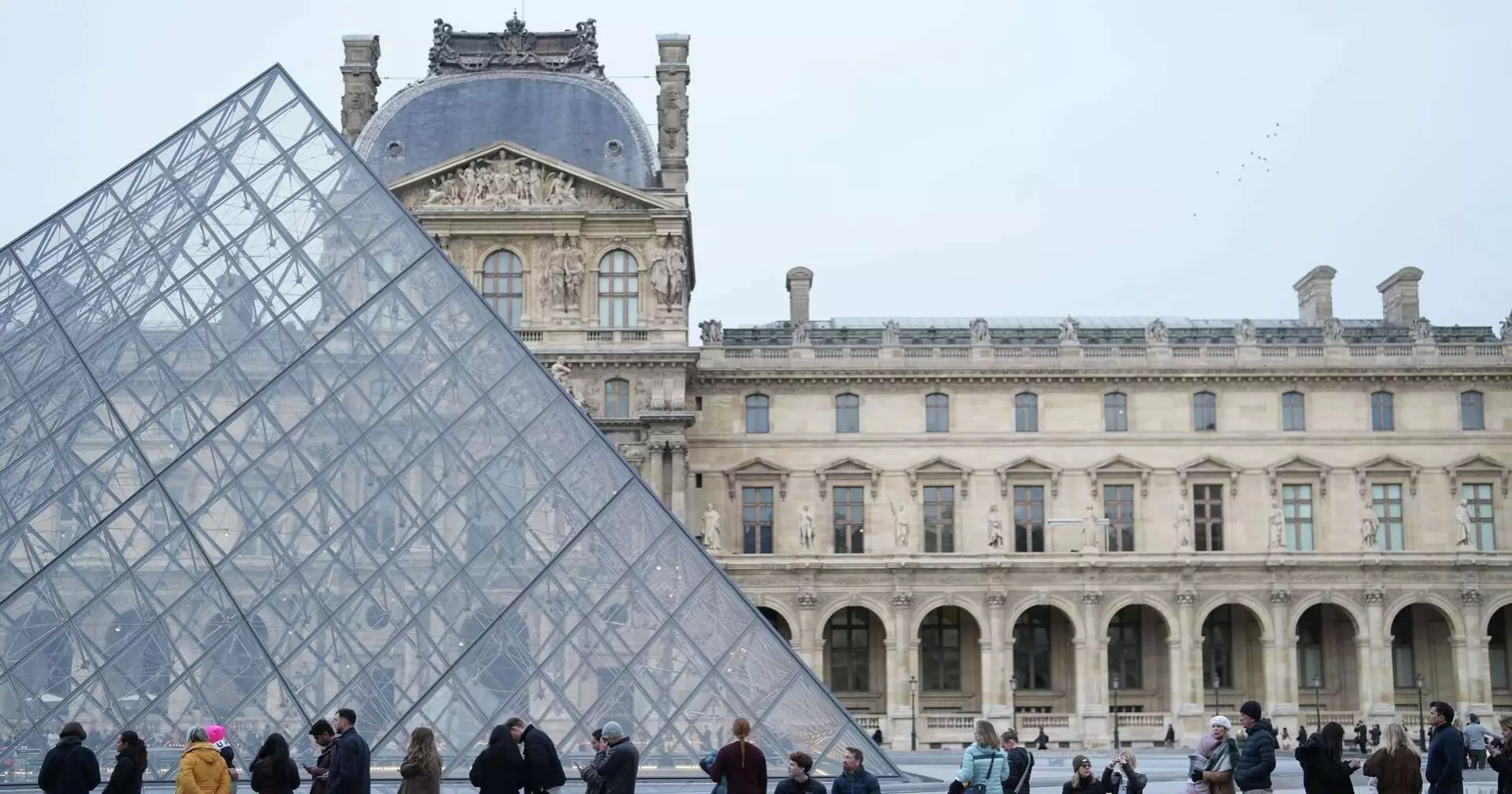
Queues stretching beneath I.M. Pei’s iconic glass pyramid have long been a defining part of a visit to the Louvre, rivaling even the draw of the Mona Lisa.
Now, the world’s most visited museum is raising the cost of entry for many travelers as it seeks funds to address mounting challenges—from overcrowding and security needs to labor unrest and the fallout from October’s high-profile theft of the French Crown Jewels. The museum was forced to close again on Monday following a staff walkout.
Beginning Wednesday, the Paris landmark will implement a two-tier pricing system, increasing ticket prices for most non-European visitors to 32 euros ($37), up from 22 euros ($26). The overnight rise amounts to a 45% increase.
The new rate applies to visitors from most countries outside the European Union, including the United States, which traditionally accounts for the largest share of foreign visitors to the museum.
The decision has drawn criticism from French labor unions, who argue that the move runs counter to the Louvre’s universal cultural mission.
Who still gets free entry
According to the museum, the higher fee will be charged to visitors who are neither citizens nor residents of the European Union, Iceland, Liechtenstein or Norway.
The Louvre has long struggled with surging visitor numbers, an aging facility, recurring strikes and escalating security and maintenance costs—pressures faced by many of France’s major museums.
France’s CGT Culture union has condemned the tiered pricing system, saying it turns cultural access into a “commercial product” and creates unequal access to national heritage.
However, the Louvre notes that several groups will continue to enjoy free admission, including visitors under 18 and certain young residents of European countries.
The previous ticket increase took effect in January 2024, when standard admission rose from 17 euros to 22.
Impact of the Crown Jewels theft
Even before the Oct. 19 daytime robbery that saw French Crown Jewels worth an estimated 88 million euros ($102 million) stolen from the Louvre, discussions were underway about raising fees for visitors from outside Europe.
The swift heist intensified concerns over the protection of priceless cultural treasures and fueled debate over how major museums should finance necessary upgrades—and whether tourists should shoulder more of the cost.
The Louvre has not explicitly linked the ticket increase to the theft.
By comparison, standard entry to Rome’s Colosseum, including the Forum and Palatine Hill, costs 18 euros ($20), while adult admission to Athens’ Acropolis stands at 30 euros ($33).
Repeated labor unrest
The museum has repeatedly faced public disruptions due to internal tensions.
In June, an unannounced strike by gallery attendants, ticket sellers and security personnel delayed the museum’s opening, leaving thousands of visitors waiting outside beneath the pyramid.
Staff members say mass tourism has overwhelmed the institution, pointing to excessive crowding, staff shortages and worsening working conditions.
Paris showcases royal jewels as city still reels from Louvre heist
By December, unions said the jewel theft and the deteriorating state of the historic former royal palace had elevated their long-standing concerns into a national issue. Louvre employees have since voted to continue striking until they see what they consider meaningful reforms.