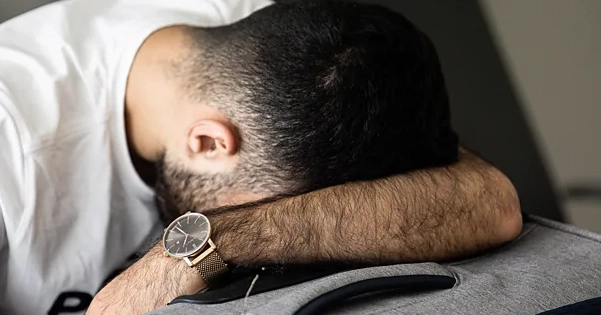
Many people feel tired all the time even after getting enough sleep, and experts say the reasons go far beyond how many hours we spend in bed.
Studies show that constant fatigue is common worldwide. A 2023 global analysis found that one in five adults experienced ongoing fatigue for up to six months without any clear medical illness. In the United States, a 2019 survey by the National Sleep Foundation found that 44 percent of adults felt sleepy several days each week. In the UK, a 2022 poll by YouGov showed that one in eight adults felt tired all the time. Women reported fatigue more often than men.
Doctors say tiredness is one of the most common complaints they hear. In the UK, the National Health Service even uses the term TATT, meaning tired all the time. However, experts say fatigue is not the same as sleepiness. Sleepiness means feeling likely to fall asleep, while fatigue is broader and can affect the body, mind and emotions.
Specialists explain that fatigue can be physical, such as muscle tiredness after exercise, but it can also be mental and emotional. This type of fatigue can cause brain fog, low motivation, poor focus and irritability. Scientists say they are only beginning to understand how fatigue affects the brain, thanks to new imaging and lab techniques.
Fatigue can be linked to serious illnesses such as cancer, depression, long Covid and multiple sclerosis. But doctors stress that many people feel tired without having a major disease. That is why doctors first try to rule out medical causes using blood tests.
Tests can help detect thyroid problems, hormone imbalances or shortages of nutrients such as iron, vitamin B12, vitamin D and magnesium. Experts say nutrient deficiencies can reduce energy because these nutrients are vital for normal body functions.
However, doctors say test results are normal in most patients who complain of fatigue. In such cases, lifestyle factors are often the cause. These include poor sleep habits, stress, diet, mental health and lack of rest due to work or family responsibilities.
Experts say sleep quality is often more important than sleep length. Interrupted or poor quality sleep can leave people feeling unrefreshed even after many hours in bed. During deep sleep, the brain clears waste products through a system known as the glymphatic system. Disrupted sleep reduces this process and may increase tiredness.
Timing of sleep also matters. Sleep that does not match the body’s natural daily rhythm is less effective. This is why shift workers often face health problems. Experts say sleeping at irregular hours can reduce REM sleep, a key stage needed for emotional balance, memory and brain health.
Stress is another major cause of fatigue. When people are stressed, the body releases cortisol, a hormone that raises heart rate and body temperature. High cortisol levels make it harder to fall asleep and stay asleep, leading to the feeling of being tired but unable to rest.
Sleep disorders are also common hidden causes. Loud snoring and breathing problems during sleep may signal sleep apnoea, a condition that disrupts sleep throughout the night. People may still sleep for seven to nine hours but wake up feeling exhausted.
Dehydration, excessive caffeine and alcohol use can also worsen fatigue. Experts say caffeine can stay in the body for hours and affect sleep, while alcohol may help people fall asleep faster but disrupts sleep later in the night.
Health experts say improving energy usually requires basic but consistent steps. These include balanced nutrition, regular sleep routines, stress management, physical activity, enough water and good sleep habits. While these changes may sound simple, doctors say they are often the hardest to maintain in daily life.
Experts stress that anyone with long lasting or worsening fatigue should seek medical advice to rule out serious conditions and get proper guidance.
With inputs from BBC