Mountains rarely dominate headlines. They remain unchanged while empires rise and fall, borders move, and history reshapes nations. But Mount Damavand, Iran’s towering, snow-covered giant, refuses to remain merely a silent landmark.
Standing at 5,609 metres, Damavand is officially Asia’s tallest volcano. Unofficially, it represents far more: a geological mystery, a cultural symbol, a mountaineer’s challenge and, more recently, a backdrop to modern conflict. Few natural monuments combine poetry, politics, science and survival so seamlessly into a single silhouette.
A peak that is more than just a mountain
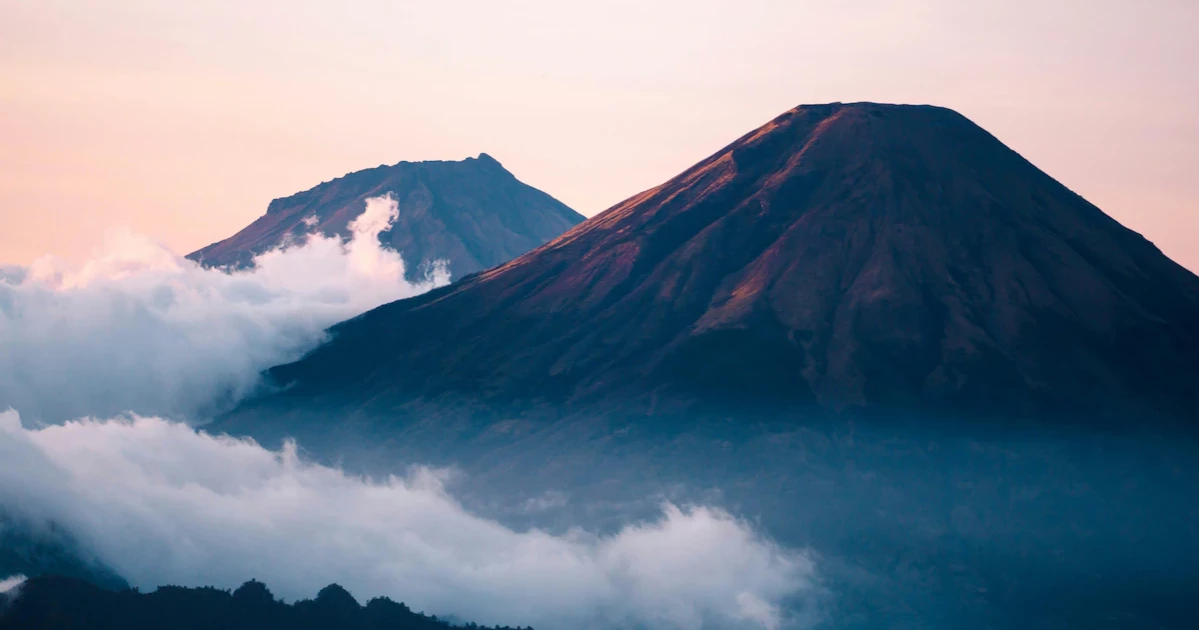
Rising from Iran’s Alborz mountain range near the southern edge of the Caspian Sea, Damavand commands the landscape with its almost perfect cone and permanent snowcap, making it one of West Asia’s most recognisable peaks.
It is Iran’s highest mountain, Asia’s tallest volcano and one of the world’s most prominent peaks. Yet its significance extends far beyond geography.
Its snow-covered summit appears in poetry, folklore and even on Iranian currency. In the epic Shahnameh, Damavand is described as the prison of Zahhak, the tyrant king whose defeat symbolised justice triumphing over cruelty. Other legends place the mythical Simorgh, the bird of wisdom, atop its peak.
For centuries, writers and poets have used Damavand as a symbol of resistance, endurance and national pride, a reputation so powerful that the mountain features on Iranian banknotes.