
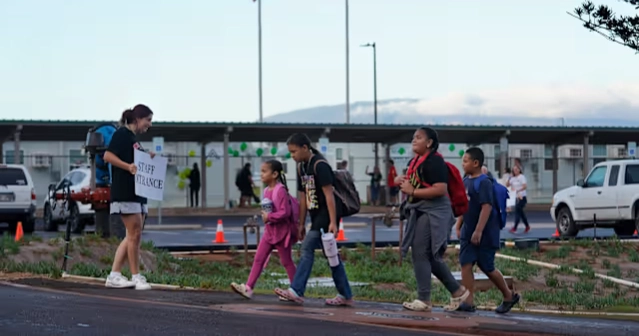
For Mia Palacio, the 2023 wildfires in Lahaina felt like losing a part of herself. In the months that followed, she withdrew from loved ones, angry that her family had no permanent home and that many others couldn’t escape. Moving between high schools only deepened her sense of isolation until, a year later, she finally sought help.
Hundreds of students share Palacio’s experience of ongoing trauma. The Hawaii Department of Education estimates more than one-third of Maui students lost relatives, suffered serious injuries, or saw parents lose jobs after the fires, which killed 102 people and damaged over 3,300 properties.
While many Lahaina residents are eager for normalcy, therapists warn that youth mental health struggles are intensifying. “The crisis isn’t over,” said University of Hawaii researcher Christopher Knightsbridge, explaining that children often feel numb immediately after a disaster, but years later face the long-term stress of displacement and uncertainty.
On Maui, the problem is worsened by a shortage of specialists. The number of youth psychiatrists has fallen from four to two in recent years. Long waiting lists mean many students rely on telehealth or peer support instead of in-person care. “Even just to get evaluated … it’s literally months,” said senior DayJahiah Valdivia, who still struggles with anxiety whenever strong winds or small brush fires spark memories of 2023.
Finding joy beyond screens: How new hobbies can reset your daily life
Teachers say some students have disengaged completely, unable to focus or dropping out of in-person classes as their families shuffle between temporary housing. Nonprofits have stepped in with programs such as the Maui Hero Project, which combines outdoor activities with counseling. Yet stigma remains strong in Lahaina’s large Filipino and Latino communities, where teens report the highest rates of depression, PTSD and anxiety.
The state has introduced initiatives like YouthLine, a peer-to-peer crisis support program, while young survivors such as Keakealani Cashman hope to become future mental health providers. “This horrible, horrible thing happened … but I don’t have to let it kill the rest of my life,” Cashman said. “I can really help my family, my community in school, and just make an impact in what I know how to do.”
Source: Agency