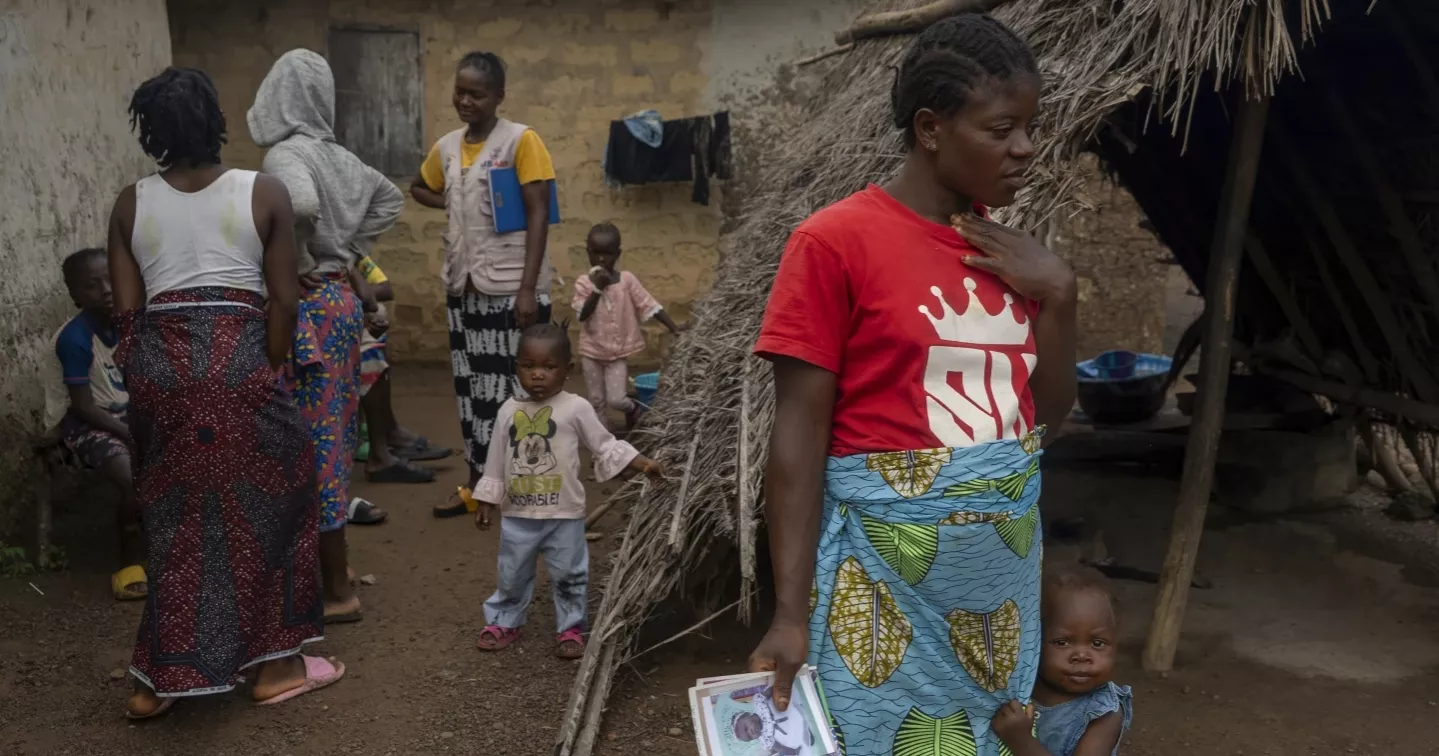
When Roseline Phay set out in search of contraceptives earlier this year, she didn’t realize she was already too late. Liberia’s clinics had run dry after U.S. President Donald Trump abruptly suspended most foreign aid through USAID, which had been the backbone of the country’s healthcare system.
Phay, a 32-year-old farmer and mother of two, trekked repeatedly from her rural village in Bong County to the nearest clinic. Each time, she returned empty-handed. Eventually, she became pregnant. With another child on her back and no access to nutritional support or contraceptives, she said, “I’m suffering.”
She is among millions affected by the U.S. cuts across Africa. Liberia, where U.S. aid once made up 2.6% of its gross national income—the highest globally—has been hit especially hard.
Scientists discover proteins that could help fight cancer, slow aging
USAID had financed nearly half of Liberia’s healthcare system, supporting everything from malaria prevention to maternal care. Now, clinics lack basic medicines, ambulances sit idle for lack of fuel, and community health workers go unpaid. A growing sense of betrayal runs deep in a country historically tied to the U.S. and once seen as a close ally.
“The cuts are beyond a shock,” said Moses K. Banyan, head of CB Dunbar Hospital in Bong County. “It’s like you were sleeping and someone woke you to say: ‘Leave the house.’”
The move has also opened doors for China, which is expanding its footprint by investing in health, infrastructure, and education. But for women like Phay, that offers little comfort. With no access to family planning tools, her hopes for a different life for her daughters now rest on outside help.
“I am begging,” she said, tearfully. “If you people have the medicine, you need to help us. I don’t want [my daughter] to suffer like me.”
Source: Agency