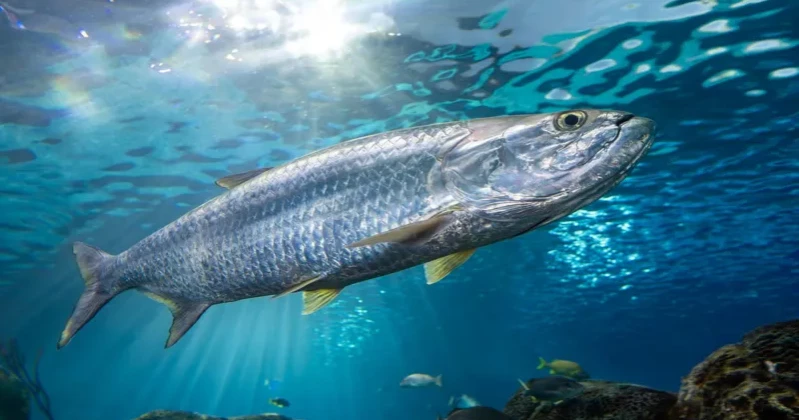
Migratory freshwater fish populations are declining rapidly worldwide due to dams, pollution and overfishing, preventing many species from reaching their breeding grounds, according to a new report backed by the United Nations.
The report highlights species such as the golden mahseer and goonch catfish among 30 priority fish identified for urgent conservation. Researchers assessed more than 15,000 migratory freshwater fish species — nearly half of all fish species — and found their populations have dropped by about 81% over the past 50 years.
Scientists say these fish are vital for food security and livelihoods. “Freshwater fish support hundreds of millions of people around the world,” said Zeb Hogan of the University of Nevada, Reno, a co-author of the report. He added that these species provide food for around 200 million people globally.
The study, supported by the International Union for Conservation of Nature, identified 325 species needing global monitoring and protection, including culturally significant fish such as the Atlantic salmon.
Experts say habitat loss caused by dams and river barriers is a major threat. Michele Thieme of World Wildlife Fund said river fragmentation prevents fish from reaching spawning grounds.
Migration routes in Europe are especially affected, with barriers found roughly every kilometre. Janina Gray of WildFish said these obstacles weaken fish, making them more vulnerable to disease and predators.
Researchers called for urgent action to remove barriers, reduce overfishing and protect habitats to help migratory fish populations recover.
Source: BBC