US President Donald Trump’s relationship with the National Football League has long been tense and complicated, marked by legal battles, failed ownership bids and sharp political clashes, even as recent public appearances suggest a temporary thaw.
The complexity was on display last May when NFL commissioner Roger Goodell stood beside Trump in the Oval Office to announce that Washington DC would host the NFL Draft in 2027. The moment appeared symbolic, given Trump’s decades long disputes with America’s most popular sports league.
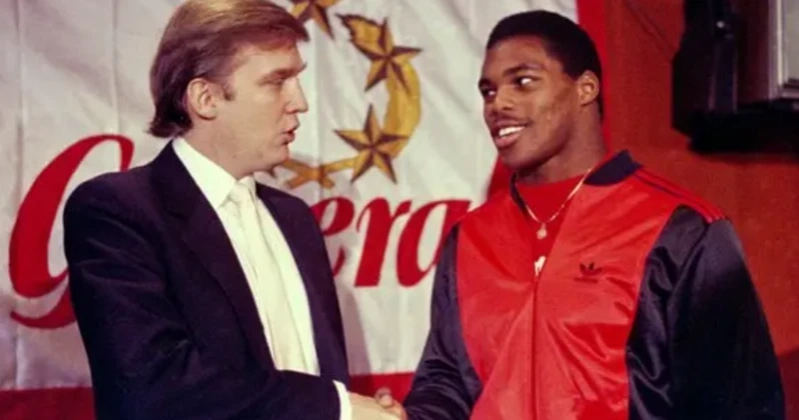
Trump’s clashes with the NFL date back more than 40 years. In the early 1980s, he tried but failed to buy an NFL franchise before purchasing the New Jersey Generals of the now defunct United States Football League. He later pushed the USFL into direct competition with the NFL and led an antitrust lawsuit accusing the league of monopolising television contracts.
Although a jury ruled the NFL an illegal monopoly, it awarded the USFL only nominal damages. The league collapsed soon after, and Trump’s hopes of forcing a merger and gaining an NFL team ended.
Trump made further attempts to buy NFL teams over the years, including the Dallas Cowboys, New England Patriots and Buffalo Bills, but each bid failed. Analysts and former associates have suggested those setbacks fuelled his resentment toward the league and may even have influenced his later political ambitions.
Tensions escalated during Trump’s first presidency when NFL players protested racial injustice by kneeling during the national anthem. Trump publicly criticised the players and urged team owners to discipline them, drawing sharp responses from league officials and several team owners.
The controversy deepened divisions between the White House and the NFL, with Trump calling for rule changes and boycotts, while the league defended players’ rights to peaceful protest. The issue also affected traditional White House visits by Super Bowl champions, with some teams declining invitations and others seeing visits cancelled.
Despite past hostility, Trump has recently sought closer ties with the NFL. He became the first sitting US president to attend a Super Bowl and has promoted major league events in Washington DC. He has also revived the presidential fitness test and formed a sports council that includes NFL figures.
Still, friction remains. Trump has criticised the NFL’s choice of performers for the Super Bowl half time show and has threatened to intervene in league matters, including disputes over team names and stadium deals.
With Super Bowl 60 set to conclude the current season, observers say Trump’s relationship with the NFL continues to shift between cooperation and confrontation, shaped as much by politics and personal history as by sport itself.
With inputs from BBC