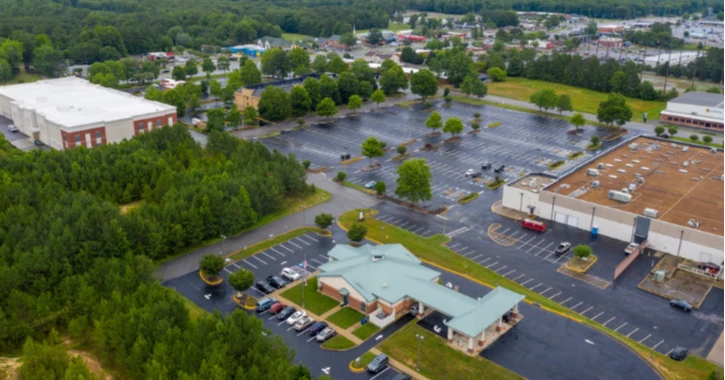
WASHINGTON, Apr 26 (AP/UNB) – A cellphone helped identify bank robber Okello Chatrie after he stole $195,000 from a credit union in suburban Richmond, Virginia, and evaded police until investigators used a powerful digital tracking method now under Supreme Court scrutiny.
Authorities used a “geofence warrant” issued to Google, creating a virtual boundary around the crime scene. The tool collected location data of mobile devices nearby, revealing that Chatrie’s phone was present around the time of the robbery.
Chatrie was later identified, and a search of his home uncovered nearly $100,000 in cash, including bank-banded notes signed by a teller. He pleaded guilty and received a nearly 12-year prison sentence, though he is now challenging the use of geofence evidence.
China’s DeepSeek unveils upgraded AI model as competition with US firms intensifies
The Supreme Court will decide whether such warrants violate the Fourth Amendment protection against unreasonable searches. The case raises broader questions about applying a 1791 constitutional provision to modern digital surveillance.
Geofence warrants work in reverse of traditional searches, identifying all devices in a location rather than targeting a known suspect. Prosecutors say they help solve crimes without eyewitness or camera evidence, while civil liberties advocates warn they sweep in innocent people and could expand digital surveillance.
Similar warrants have been used in investigations of the January 6, 2021 US Capitol riot, pipe bomb incidents in Washington, and homicide cases across several states.
Courts remain divided, with some ruling them unconstitutional “general warrants,” while others uphold their use under certain conditions. A federal judge initially found a rights violation in Chatrie’s case but allowed evidence under a good-faith exception, a decision later upheld on appeal.
The Supreme Court previously ruled in 2018 that long-term warrantless cellphone tracking violated privacy rights, with Chief Justice John Roberts noting the vast amount of location data collected through modern mobile networks.