Indonesia has urged social media companies and digital platforms to publicly disclose how many accounts belonging to users under 16 have been suspended under new government restrictions, authorities said Wednesday.
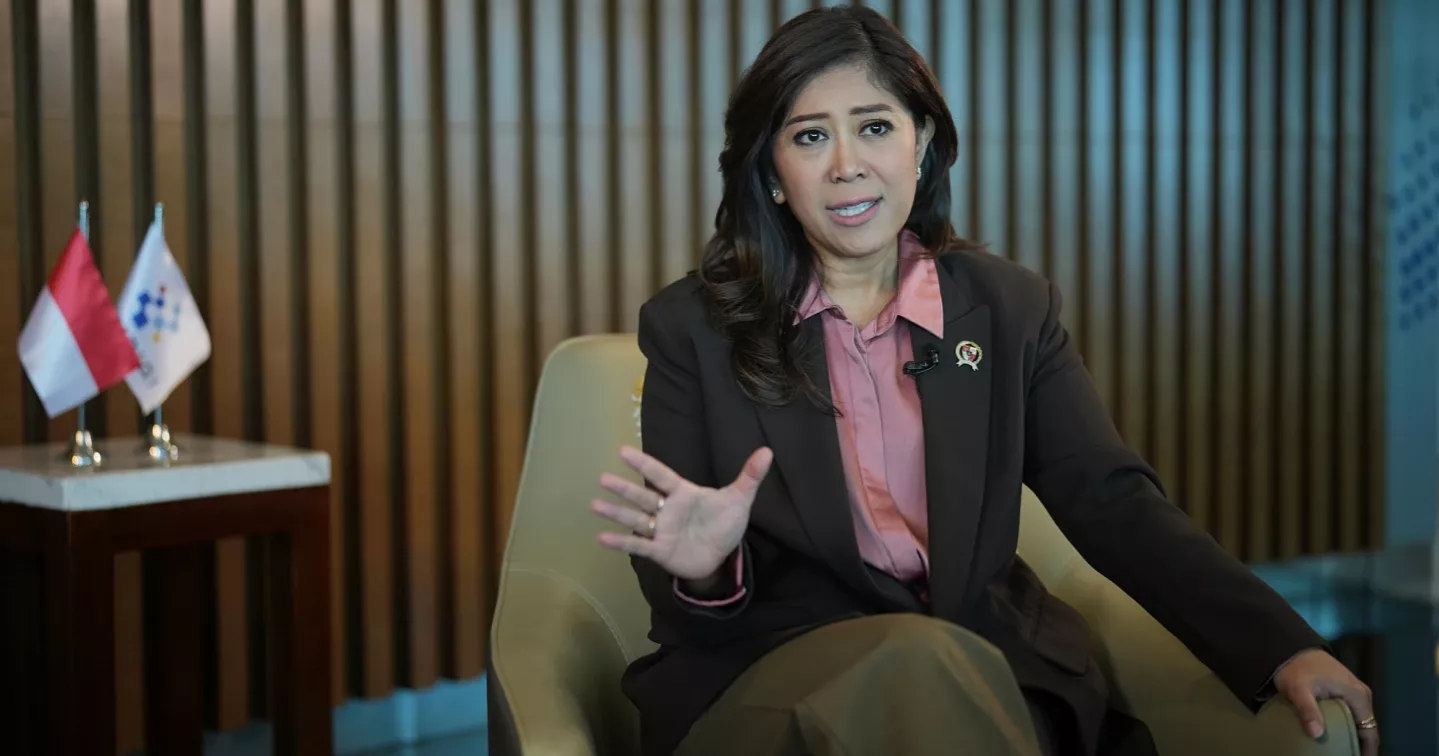
“We will continue to insist that compliance alone is not enough; we must also report the figures to the public in the interest of transparency,” said Communication and Digital Affairs Minister Meutya Hafid.
The regulation, introduced at the end of March, bars children under 16 from accessing digital platforms that could expose them to risks such as pornography, cyberbullying, online fraud and addiction. Hafid noted that young people in Indonesia spend up to eight hours a day online.
Not all platforms complied immediately with the rules, which affect around 70 million children and young people in the country. TikTok was the first to report progress, saying it had deactivated 1.7 million accounts belonging to underage users.
Hafid suggested the country’s large user base may partly explain the slow pace of compliance among platforms.
Seven of the eight platforms classified as high-risk — including YouTube, TikTok, Facebook, Instagram, Threads, X and Bigo Live — have agreed to restrict access for children. Only Roblox has yet to commit to blocking under-16 users and did not immediately respond to requests for comment.
YouTube announced its commitment three weeks after the regulation took effect but has not provided figures on how many underage accounts have been suspended.
“We remain focused on protecting the community and will continue working closely with the Indonesian government to support a secure digital future for the next generation,” a YouTube spokesperson said.
Restrictions on under-16 access to social media were first introduced in December in Australia, where companies removed access to about 4.7 million accounts identified as belonging to children. Indonesia is the first country in Southeast Asia to adopt similar measures.
Other countries, including Spain, France and United Kingdom, are also considering or implementing restrictions amid concerns about the impact of unregulated online content on children.
Hafid acknowledged ongoing challenges in enforcing the rules, saying platforms are allowed to decide their own methods for verifying users’ ages.
“We understand the technology will continue to evolve rapidly. However, the platform is responsible for determining the best and most appropriate technology for its needs,” she said.
Critics, however, have raised concerns about enforcement, noting that reliable age verification often requires collecting sensitive personal data, which could create privacy and security risks. Some children may also bypass restrictions using false identities or accounts registered under adults, said Nenden Sekar Arum, executive director of the Southeast Asia Freedom of Expression Network (SAFEnet).
She stressed the need for stronger government oversight of verification systems to ensure consistent enforcement.
“The core problem is not the presence of children in the digital space, but how that digital space is shaped into a safe ecosystem. And how to ensure that those who are actually making this ecosystem harmful are held accountable. That is what needs to be addressed,” Arum said.