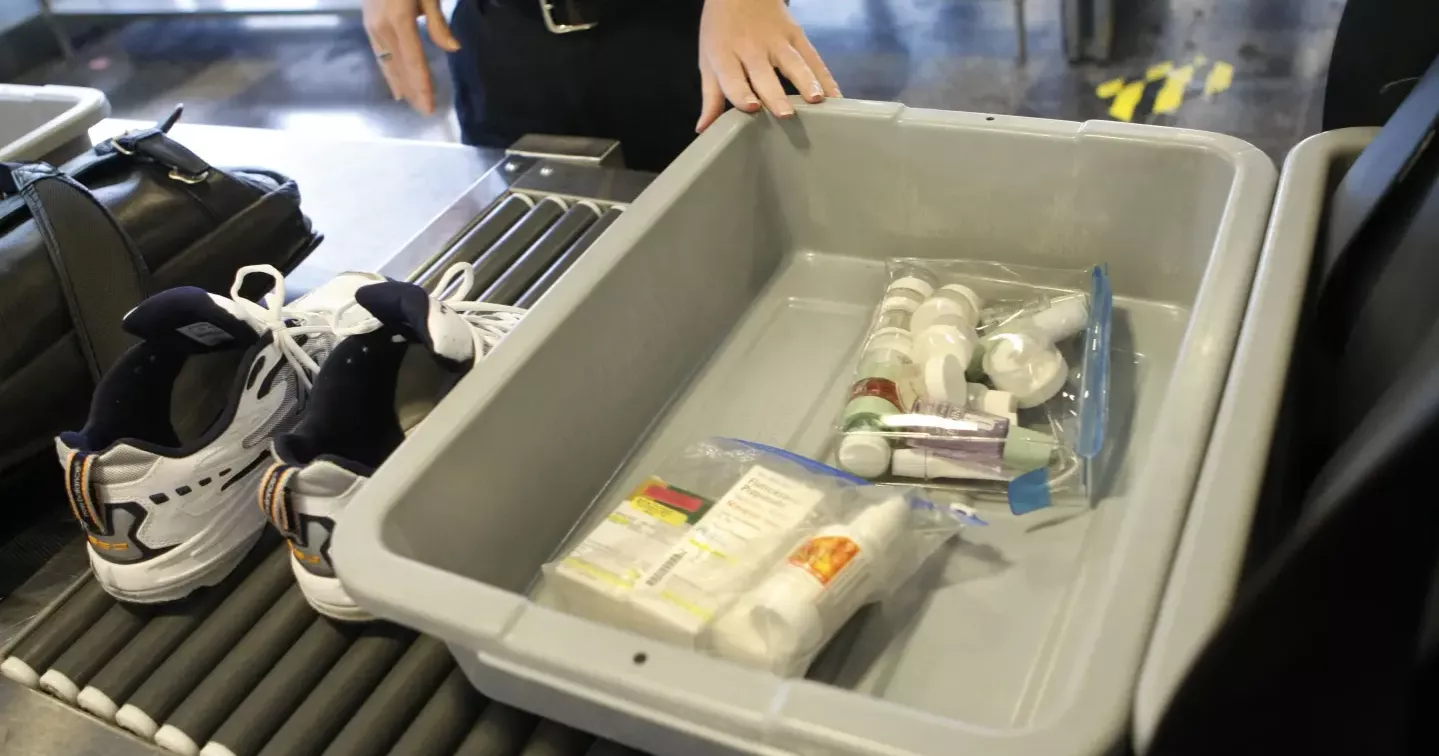
Although travelers are hopeful that restrictions on carrying liquids through airport security may soon be eased, many U.S. airports still haven’t upgraded to advanced scanners capable of reliably detecting liquid explosives.
While it’s a common frustration to dispose of drinks or limit toiletries before boarding, the real challenge lies in distinguishing between benign substances and potentially dangerous ones. The importance of this became clear after a 2006 terror plot in the UK involving liquid explosives disguised in sports drink bottles.
Homeland Security Secretary Kristi Noem recently suggested that changes to current liquid restrictions may be coming, stating, “The liquids, I’m questioning. So that may be the next big announcement.” However, officials say no immediate changes are planned.
The Transportation Security Administration (TSA) confirmed it is constantly evaluating ways to enhance security while improving passenger experience. Earlier this month, TSA lifted the rule requiring passengers to remove shoes—originally implemented after the 2001 “shoe bomber” plot.
The current liquid limits, set after the 2006 UK plot, cap carry-on liquids at 3.4 ounces (100 milliliters) due to concerns over X-ray machines' inability to detect liquid explosives. While some countries like the UK have considered relaxing this limit, the move has been delayed by the slow rollout of new computed tomography (CT) scanners.
Starlink officially launched in Bangladesh
These advanced machines provide high-resolution, 3D images that allow screeners to better identify threats. TSA official Johnny Jones said the technology “eliminates the guesswork” and significantly improves detection capabilities.
Yet, only 255 of the 432 U.S. airports currently have these machines, and full deployment may not be completed until 2043 due to high costs and the need for structural modifications at checkpoints.
Experts warn that rolling out new liquid rules at only select airports could confuse travelers. Meanwhile, some aviation security professionals argue it's premature to lift restrictions without broader scanner coverage.
Despite past reports highlighting TSA screening gaps, agency officials emphasize that no aircraft has been lost due to missed threats since its creation in 2002.
Source: Agency