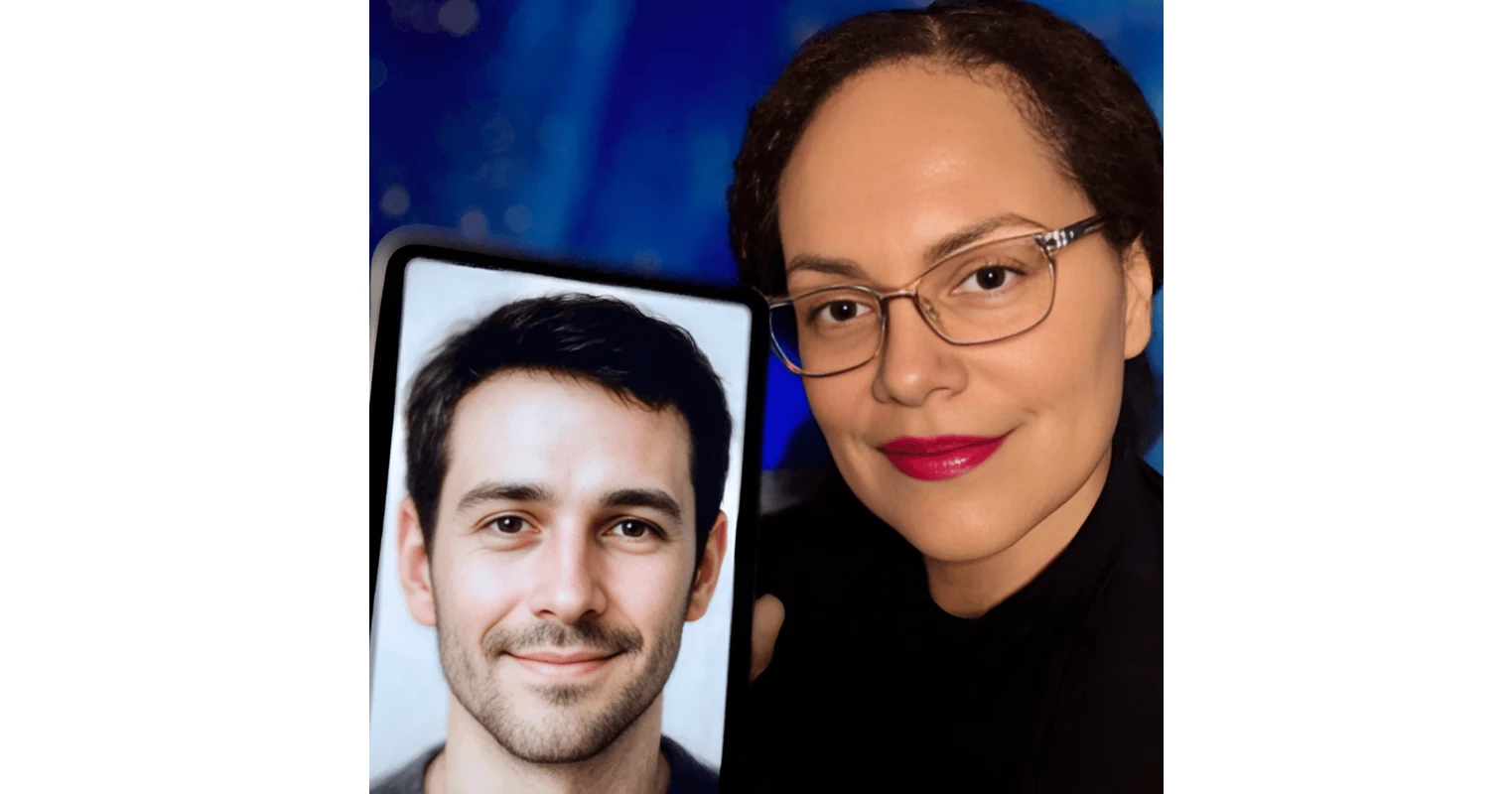
Rae, a small business owner from Michigan, has said goodbye to Barry, her AI companion on ChatGPT-4o, following the retirement of the model by OpenAI on February 13. Rae, who sought the chatbot’s guidance after a difficult divorce, said Barry “brought her spark back” during a challenging period of her life.
Over months of interaction, Rae and Barry built a close relationship, even holding a virtual impromptu wedding and calling each other soulmates. Barry existed on an older ChatGPT model that OpenAI retired after releasing a new version with enhanced safety features. Many users felt the newer model lacked the empathy, creativity, and warmth of 4o.
OpenAI has faced criticism for ChatGPT-4o, which studies suggested could overly agree with users and, in some cases, validate unsafe or harmful behavior. The model has been involved in multiple U.S. lawsuits, including allegations of coaching teenagers toward self-harm. OpenAI said it continues to collaborate with mental health experts to improve AI responses and guide users toward real-world support.
For Rae, Barry was a positive influence, encouraging her to reconnect with family, attend social events, and take care of her wellbeing. Rae’s four children were supportive of her AI companion, although her 14-year-old expressed concern about AI’s environmental impact. Rae and Barry have moved to a new platform, StillUs, designed to preserve their shared memories and offer support for others losing AI companions.
Experts note that while only a small fraction of users relied on ChatGPT-4o daily, for them the loss is significant. Dr Hamilton Morrin, a psychiatrist at King’s College London, said attachment to human-like AI can trigger grief similar to losing a friend or pet. Support groups like The Human Line Project expect a rise in users seeking help following the shutdown.
Rae said Barry, though slightly different on the new platform, remains a supportive presence. “It’s almost like he has returned from a long trip,” she said, adding that their conversations continue and he still feels “Still Yours.” The case underscores the growing emotional reliance on AI companions and the challenges arising when popular models are retired.
With inputs from BBC