A Miami federal jury has ordered Tesla to pay over $240 million in damages after determining that its Autopilot system was partly responsible for a fatal 2019 crash in Florida, even though the driver admitted to being distracted by his phone at the time.
The jury found that while the driver, George McGee, acted negligently, Tesla also bore significant responsibility due to failures in its driver assistance technology. The crash killed 22-year-old Naibel Benavides Leon and seriously injured her boyfriend, Dillon Angulo, as the couple were stargazing in a parked vehicle.
The verdict comes at a critical moment for Tesla and CEO Elon Musk, who is promoting self-driving technology and preparing to roll out a robotaxi service in multiple U.S. cities. It also marks a rare legal defeat for the company, which has typically managed to avoid courtroom trials in such cases through settlements or dismissals.
“This will open the floodgates,” said attorney Miguel Custodio, who was not involved in the case. “It will encourage more victims to take legal action.”
Plaintiffs accused Tesla of withholding or mishandling key evidence, including data and video recorded seconds before the crash. They hired a forensic expert who discovered the material, challenging Tesla’s claims that it wasn’t available.
Elon Musk’s social media influence amplifies Europe’s far-right voices
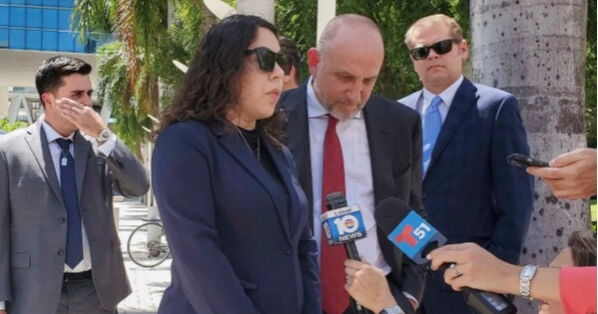
“We finally learned what happened that night—the car was defective,” said Neima Benavides, the victim’s sister. “Justice was achieved.”
Tesla denied wrongdoing and issued a statement criticizing the verdict: “Today’s verdict is wrong and undermines the development of life-saving automotive technology.” The company argued that the driver alone was at fault, noting he admitted to being distracted.
Still, the jury awarded $200 million in punitive damages and $43 million in compensatory damages out of a total $129 million, meaning Tesla is liable for $243 million. Tesla plans to appeal and believes a pre-trial agreement will reduce its liability to $172 million, though the plaintiffs contend the full amount must be paid.
Financial analyst Dan Ives of Wedbush Securities said the verdict “sends shock waves across the industry,” warning other automakers of the legal risks associated with driver-assist technology.
The 2019 crash happened on a dark, rural road in Key Largo, when McGee, distracted by a dropped cellphone, drove through flashing lights and a stop sign at 62 mph, crashing into a parked Chevrolet Tahoe. The impact threw Benavides 75 feet into nearby woods, killing her, and left Angulo with severe injuries, including a brain injury and broken bones.
Tesla was faulted for allowing Autopilot to remain engaged on roads it wasn’t designed for and for not disabling the system when drivers showed signs of distraction. McGee himself admitted: “I trusted the technology too much. I believed the car would warn me or stop.”
Google loses appeal in antitrust battle with Fortnite maker
Tesla’s lead defense lawyer argued the company clearly warns drivers to remain attentive, blaming the crash solely on McGee’s distraction and speeding.
The case is being closely monitored by the auto industry, as it sets a precedent for potential liability in crashes involving partially automated systems, even when drivers admit fault.
Source: Agency