Bahrain has intensified a sweeping crackdown on dissent as its conflict with Iran deepens, with activists and families accusing authorities of reviving harsh tactics used during the 2011 Arab Spring uprising.
The case of Mohamed al-Mousawi, a Shiite Muslim who died in custody last month, has become a flashpoint in the Sunni-ruled, Shiite-majority kingdom, which hosts the US Navy’s 5th Fleet.
Al-Mousawi was detained in March as Bahrain came under missile attacks from Iran. Days later, his family was called to collect his body from a military hospital.
Relatives said the 32-year-old, who had previously been imprisoned and was saving to start a business, showed signs of severe abuse, including slash marks, bruising and injuries on the soles of his feet.
Bahrain’s Interior Ministry said al-Mousawi had been arrested on suspicion of spying for Iran — an allegation denied by his family — and dismissed images of his injuries as “inaccurate and misleading.” Authorities said the country is acting to protect national security and rejected claims of sectarian bias.
Allegations of torture
Al-Mousawi had served around 11 years of a 21-year sentence on charges including arson and belonging to a terrorist cell before being released in 2024 under a royal amnesty.
According to relatives and a family friend, he disappeared on March 19 after attending prayers with two others who also remain missing. His body was returned on March 27.
Witnesses who saw the body alleged signs of torture, including burns and injuries consistent with whipping. A forensic expert with the New York-based Physicians for Human Rights said the wounds described were consistent with blunt force trauma and possible torture.
The Interior Ministry said al-Mousawi had been held by the National Security Agency, whose arrest powers were reinstated in 2017 after being curtailed following the 2011 unrest.
A death certificate listed the cause of death as a heart attack, though his family said he had no known preexisting conditions.
War heightens tensions
Rights groups say al-Mousawi’s death comes amid a broader crackdown targeting Bahrain’s Shiite community since Israel and the US launched military operations against Iran on Feb. 28.
Authorities have arrested dozens of people during the conflict for filming military activity, participating in protests, expressing support for Iran or allegedly sharing sensitive information.
Activists say the measures echo a long-running campaign to suppress dissent that peaked in 2011, when Bahrain’s ruling Al Khalifa family, backed by Saudi Arabia and the United Arab Emirates, crushed pro-democracy protests.
“It remains to be seen how far the government will go,” said Bahraini activist Maryam al-Khawaja. “What we’re seeing now is more heavy-handed than in recent years.”
The government said its actions are a “direct and proportionate response” to Iranian attacks and rejected accusations of sectarian persecution.
Security concerns and arrests
Since the war began, at least 41 people — including migrant workers — have been detained for sharing images of what authorities described as Iranian attacks or for expressing sympathy for Iran. Some face charges including treason, which can carry life imprisonment or the death penalty.
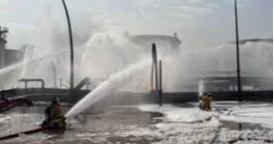
Bahrain says it has been targeted by more than 600 Iranian drone and missile strikes, which have killed at least two people and damaged key infrastructure, including a desalination plant, an oil refinery and an aluminum smelter. Iranian forces have also targeted the US Navy’s 5th Fleet headquarters in the country.
Videos circulating online show some demonstrators expressing support for Iran and acts of unrest, including arson and attacks on property.
Fears of harsher punishment
In a separate case, 21-year-old Hussein Fatiil was detained shortly after posting a video from a protest outside the US Embassy, where he and a friend were seen waving a poster of Iran’s supreme leader.
His father said the two were taken by plainclothes officers and later charged with multiple offenses, including misuse of social media, inciting hatred and treason.
“The charges are extremely serious and exaggerate what happened,” his father said, adding that the protest had been peaceful.
He expressed fears that his son could face the harshest penalties, including death.