
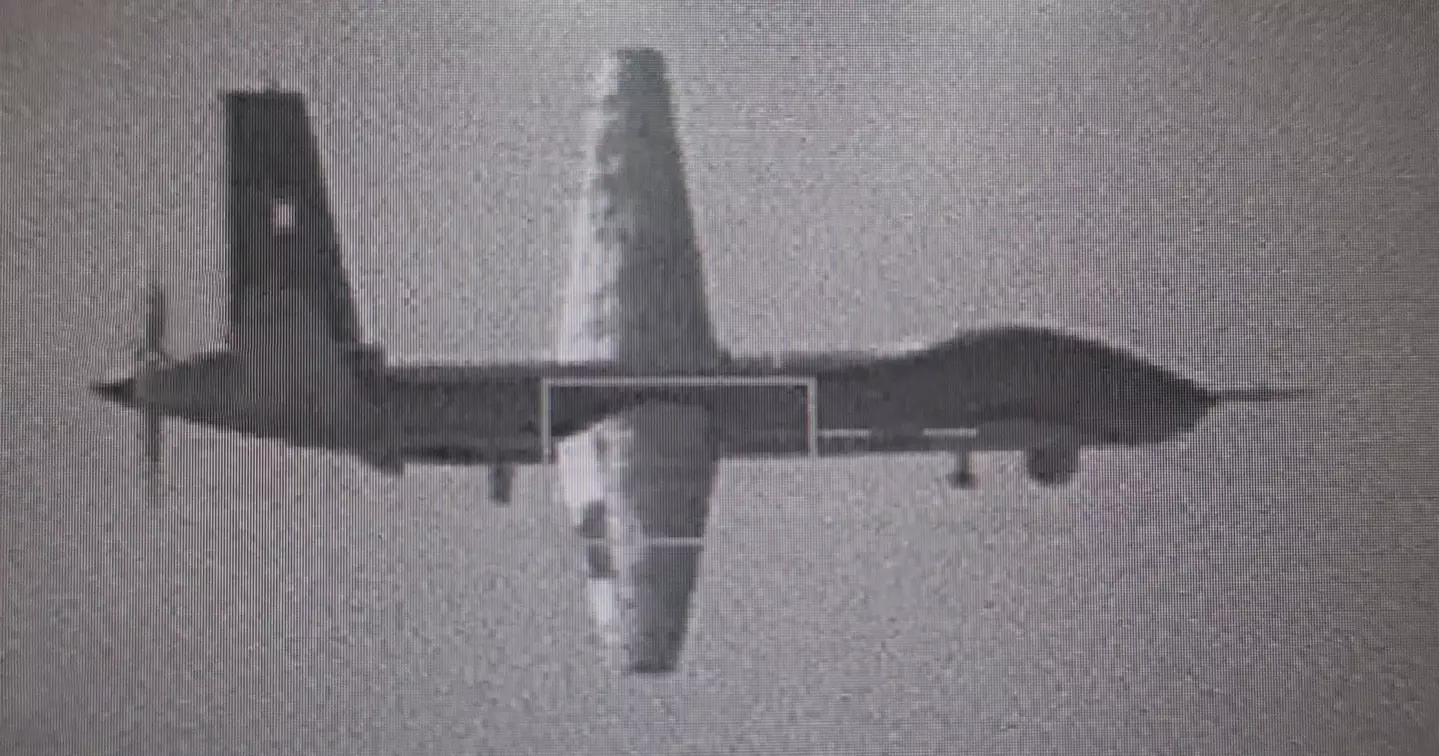
A significant number of Chinese military aircraft, ships, and drones operated near Taiwan between Sunday and Monday, according to the island’s Defense Ministry.
China described the exercises as a reaction to recent statements and actions by both the United States and Taiwan. Although Beijing conducts such operations regularly to pressure Taiwan’s defenses and morale, the majority of the island’s 23 million residents reject China's sovereignty claims over Taiwan.
Taiwanese Defense Minister Wellington Koo told lawmakers that the drills underscored China's role as a “troublemaker” threatening regional stability.
On Tuesday, Taiwan’s Defense Ministry shared images of Chinese military assets on social media, noting that 43 of 59 aircraft entered its air defense identification zone. However, no direct confrontations occurred. Taiwan responded by deploying aircraft, naval vessels, and coastal missile systems to monitor the situation.
The reason behind the large-scale Chinese deployment remains unclear, as daily numbers fluctuate depending on statements from Taiwan or its US allies.
North Korea fires several ballistic missiles after the US and South Korea began military drills
Chinese Foreign Ministry spokesperson Mao Ning stated Monday that the drills were a firm response to foreign “connivance and support” for Taiwan’s independence and a warning to separatist forces. She defended Beijing’s military maneuvers as “necessary, legal, and justified” actions to safeguard national sovereignty.
Mao also criticized the US for modifying its State Department website, removing language that previously aligned with Beijing’s one-China principle and opposed Taiwan’s independence. She argued that such changes sent misleading signals to pro-independence forces in Taiwan.
Adding to tensions, Taiwanese President William Lai Ching-te recently described mainland China as a “foreign hostile force” under Taiwanese law and announced stricter measures to counter Chinese influence in the media and civic space. Lai also warned of the risks posed by individuals leaking sensitive information to Beijing.
The Taiwan Strait, a crucial global trade route, remains an area of contention. While China does not disrupt civilian shipping in the Strait or the broader South China Sea—territories it largely claims—it regularly protests the presence of US and allied naval forces in the region.
Over the weekend, China strongly rebuked the Group of Seven (G7) industrialized nations after their diplomats accused Beijing of threatening maritime security. The G7’s joint statement condemned China’s “provocative and coercive” actions, including land reclamation and military expansion, which they said destabilize regional security. In response, China dismissed the accusations as “arrogant, prejudiced, and malicious.”
Amid growing security concerns, Taiwan has been bolstering its defenses by acquiring advanced weaponry, including missiles and aircraft, from the US, while also strengthening its domestic defense industry.
Iran warns airlines to avoid its airspace for 3 hours on Thursday over military drills, Egypt says
Taiwan and China have been politically divided since a civil war 76 years ago. However, Chinese President Xi Jinping remains committed to bringing Taiwan under Beijing’s control, despite China facing economic challenges and an ongoing technological rivalry with the West.
Source: With input from agency