
China will tighten regulations on electric vehicle (EV) exports starting next year, requiring automakers to obtain official export permits, the Commerce Ministry announced Friday.
The new licenses, effective January 1, aim to “promote the healthy development of the new energy vehicle trade,” according to the ministry. The move is part of Beijing’s broader effort to regulate the country’s rapidly expanding EV sector.
China is the world’s largest car exporter, shipping around 5.5 million vehicles abroad in 2024, nearly 40% of which were electric. The U.S. and European Union have previously imposed tariffs on Chinese EVs, citing concerns that government subsidies gave Chinese companies an unfair competitive edge.
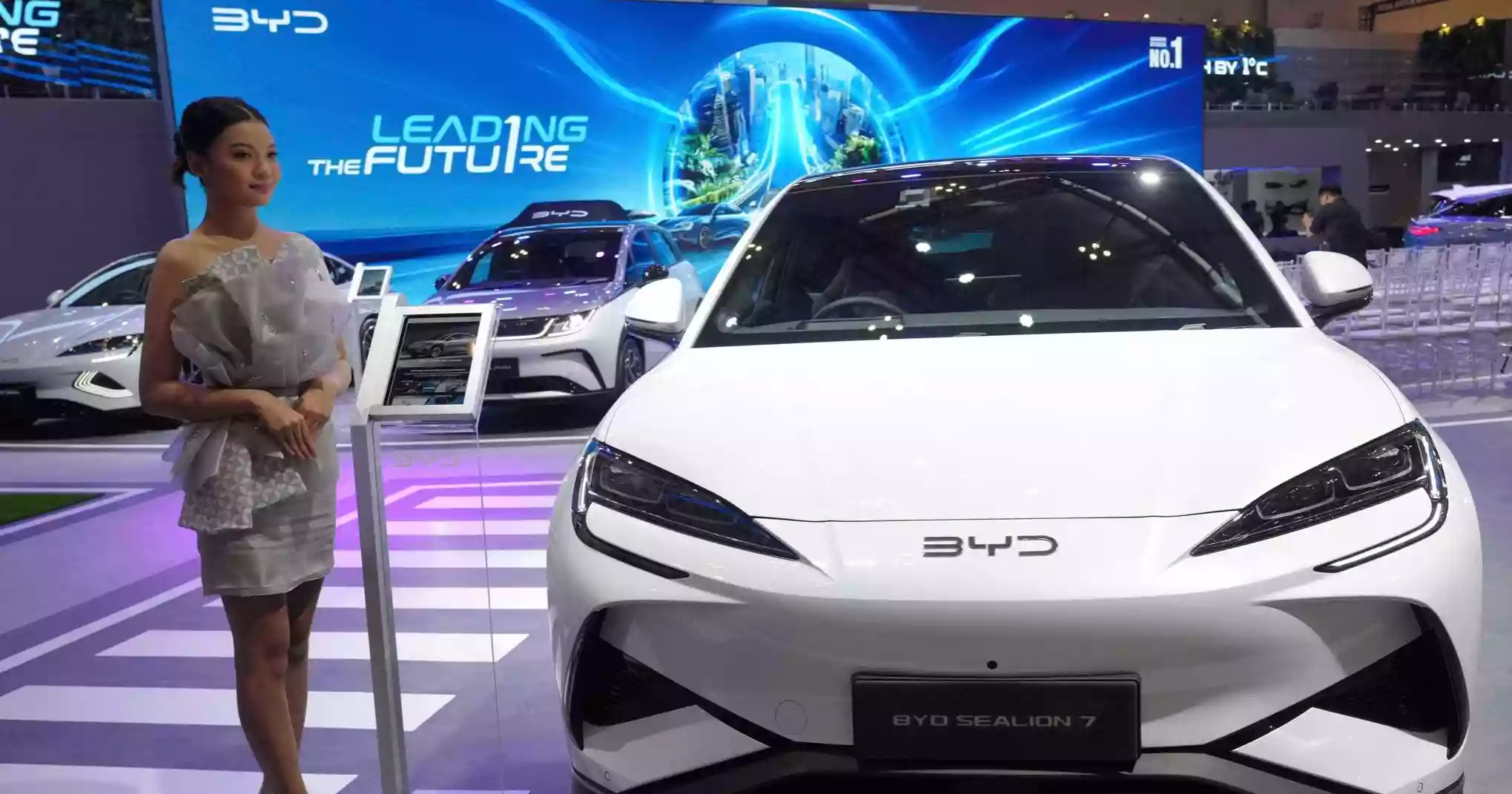
The export controls also respond to domestic market pressures, including oversupply and intense price competition. Analysts have criticized the sector for “involution,” where companies engage in aggressive competition that ultimately yields little benefit. Earlier this year, market leader BYD initiated a new round of price cuts, prompting rivals to follow, while Great Wall Motors chairman Wei Jianjun warned that such trends could threaten the industry’s stability.
Despite these challenges, China’s EV market continues to grow. Sales in the first half of 2025 hit record levels, with EVs accounting for more than 50% of total passenger vehicle sales, reflecting strong domestic demand.