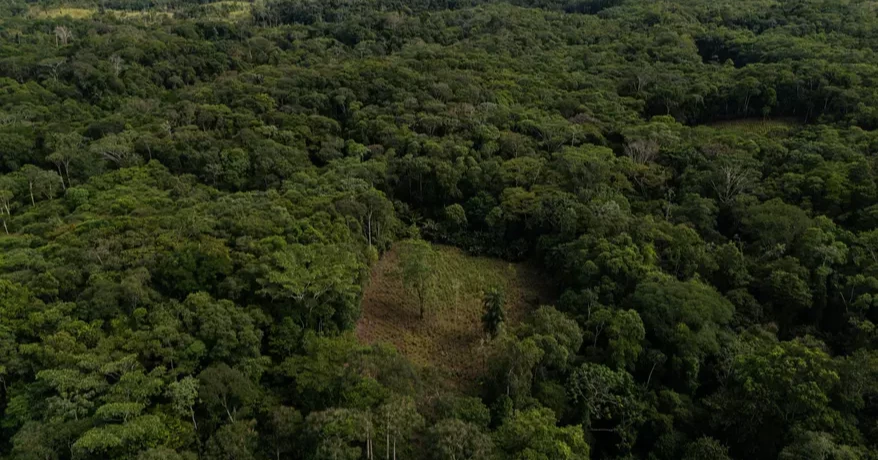
Colombia will resume spraying coca crops using drones, the government announced on Monday, as it struggles with record cocaine production that has heightened tensions with the Trump administration.
Justice Minister Andrés Idárraga said the drone-based fumigation programme, approved by the government, will begin on Thursday and target areas where criminal gangs and rebel groups force farmers to cultivate coca, the raw material for cocaine. He said the use of drones would reduce risks to security forces operating in dangerous and remote regions.
Colombia halted aerial fumigation in 2015 after the World Health Organization classified glyphosate, the herbicide used in spraying, as a probable carcinogen. Environmental groups had also warned that spraying from small aircraft polluted water sources, damaged legal crops and exposed rural communities to harmful chemicals.
Following the ban, authorities expanded manual eradication campaigns carried out by soldiers. However, coca cultivation continued to grow, particularly in isolated areas protected by armed groups and sometimes surrounded by land mines.
According to the United Nations Office on Drugs and Crime, coca was cultivated on an estimated 261,000 hectares in Colombia in 2024, nearly double the area recorded in 2016.
Idárraga said the drones would operate no more than 1.5 metres from targeted plants to avoid spraying water sources and legal crops. Each drone can destroy about one hectare of coca every 30 minutes, making the method both controlled and efficient, he added.
The idea of using drones for coca eradication was first proposed in 2018 but stalled due to political and institutional disagreements. President Gustavo Petro’s left-leaning government initially rejected forced eradication, arguing that impoverished farmers lacked viable alternatives.
This year, however, the government has toughened its stance as drug-funded rebel groups stepped up attacks and refused to sign peace agreements.
The United States has long criticised Colombia for suspending aerial fumigation. In September, the Trump administration added Colombia to a list of countries failing to cooperate in the fight against drugs for the first time in nearly 30 years, threatening military and economic assistance. Washington has also imposed sanctions on Petro and warned of possible land strikes against drug traffickers.
Petro has rejected US accusations, saying Colombian security forces are seizing record amounts of cocaine even as production remains at historic highs.