Greenland’s location above the Arctic Circle makes the world’s largest island a key factor in global security and trade, drawing international attention amid rising tensions and climate change. U.S. President Donald Trump has expressed interest in controlling the mineral-rich island, but both Denmark and Greenland’s government have firmly opposed any U.S. takeover, emphasizing that Greenlanders will decide their own future.
The island, home to about 56,000 mostly Inuit residents, has been strategically important since World War II, hosting U.S. military bases and guarding North Atlantic shipping lanes. Its rare earth minerals are crucial for electronics, batteries, and other high-tech industries, attracting interest from the U.S. and other Western nations seeking to reduce dependence on China.
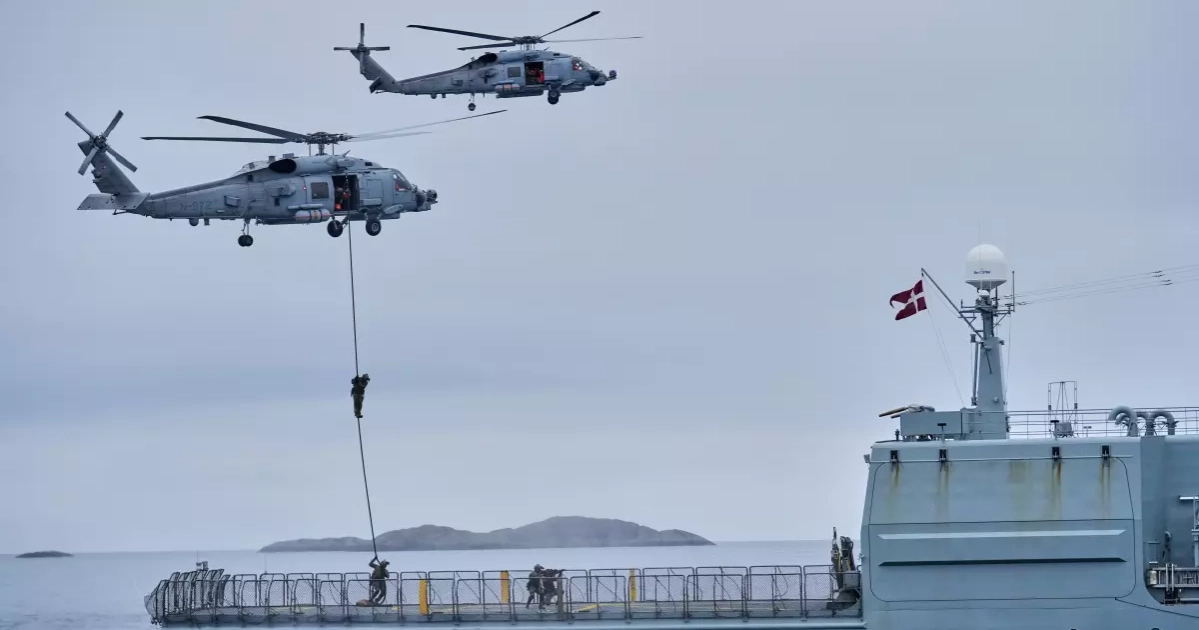
The U.S. operates the Pituffik Space Base in northwestern Greenland for missile defense and space surveillance, while Denmark is strengthening its Arctic military presence with new naval vessels, surveillance drones, and satellites. Denmark’s Joint Arctic Command in Nuuk and the elite Sirius Dog Sled Patrol enforce sovereignty across Greenland.
Security concerns in the Arctic have increased with China declaring itself a “near-Arctic state” and Russia expanding its military presence. Experts warn the region could see heightened competition over trade routes, resources, and strategic control, making Greenland central to Arctic security debates.