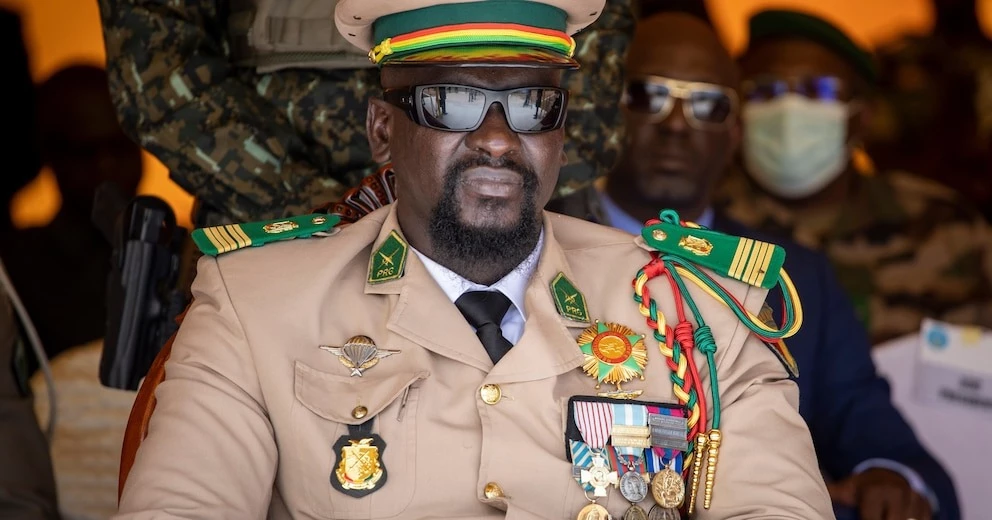
Guineans are set to vote on Sunday in the country’s first presidential election since the military seized power in a 2021 coup, with analysts widely expecting junta leader Gen. Mamadi Doumbouya to secure victory amid a weakened opposition.
Doumbouya, who overthrew longtime president Alpha Condé, is seeking a seven-year term under a new constitution that allows military leaders to run for office and extends the presidential mandate from five to seven years. Critics say the vote is taking place in a tightly controlled political environment that favors the incumbent.
About 6.7 million registered voters are expected to cast ballots at around 24,000 polling stations nationwide. Results are anticipated within 48 hours, with a runoff planned if no candidate wins a majority. The regional bloc ECOWAS has deployed election observers.
Nine candidates are contesting the race, but Doumbouya faces little-known challenger Yero Baldé, a former education minister. Several prominent opposition figures were either barred on technical grounds or forced into exile, further weakening competition.
Rights groups and activists say Guinea has seen growing restrictions since the coup, including the silencing of civil society leaders, censorship of the press and the dissolution of more than 50 political parties last year.
Many voters remain skeptical. Political analyst Alioune Tine said the election appears designed to legitimize military rule rather than restore democracy. Some residents in the capital, Conakry, have vowed not to vote, calling the process unfair.
Despite criticism, Doumbouya retains support among segments of the population who credit him with infrastructure development and reform efforts. His campaign highlights major projects, including the Simandou iron ore mine, which began production last month and is being promoted as a driver of economic transformation and job creation.
With state backing and extensive media coverage, Doumbouya’s campaign has dominated the race, leaving rivals with limited visibility and resources.