
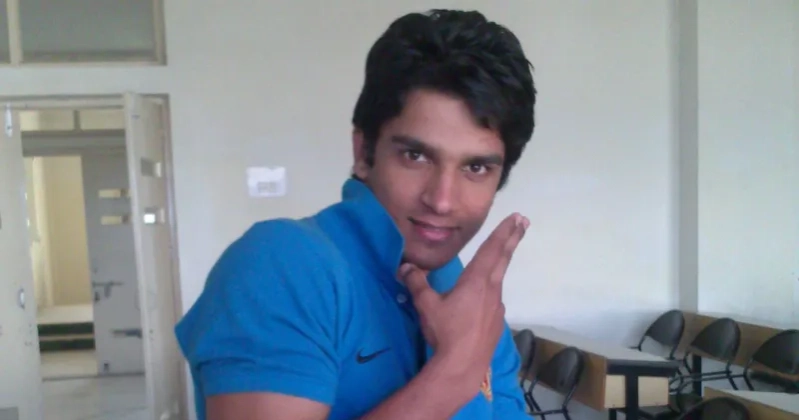
An Indian man whose life support was withdrawn following approval from the Supreme Court has died, marking the country’s first case of court-approved passive euthanasia.
Harish Rana, 31, died on Tuesday at the All India Institute of Medical Sciences, where he was receiving palliative care after life-sustaining treatment was withdrawn.
Rana had been in a coma since 2013 after falling from a fourth-floor balcony while he was an engineering student, suffering severe head injuries. He had no “living will”, a legal document that allows individuals to state their medical treatment preferences in case they become unable to make decisions.
In India, passive euthanasia was legalized by the Supreme Court of India in 2018, allowing withdrawal of life support under strict conditions, while active euthanasia remains illegal.
As Rana could not consent and had no prior directive, his parents sought court permission to withdraw treatment. Their plea was initially rejected by the Delhi High Court in 2024 and later declined by the Supreme Court.
They approached the apex court again in 2025, saying their son’s condition had worsened and that he was being kept alive through artificial support.
Two medical boards later examined Rana and found he had almost no chance of recovery, with permanent brain damage and dependence on external support for basic functions.
On March 11, the court allowed doctors to use their clinical judgment, leading to the withdrawal of life support. Rana was then shifted to a palliative care unit, where he died.
Lawyers said the case could set a precedent, as many similar patients across India remain on prolonged life support.
With inputs from BBC