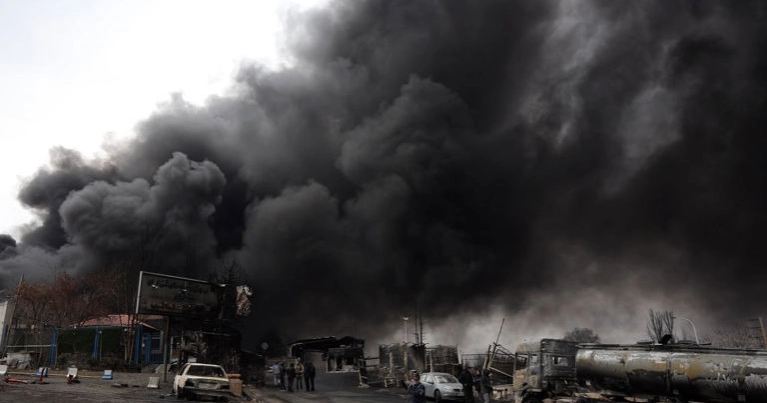
Iran continued to target oil infrastructure in the Gulf and disrupt shipping through the Strait of Hormuz on Wednesday, raising global energy concerns as the Middle East conflict shows no signs of easing.
Iran has effectively blocked cargo traffic through the strait, a critical route for nearly a fifth of global oil, and launched attacks on oil fields and refineries in Gulf Arab states. Early Wednesday, a projectile hit a container ship off Oman, setting it ablaze and forcing the crew to abandon the vessel. Kuwait and Saudi Arabia reported intercepting Iranian drones and missiles aimed at strategic sites.
Israel, which began its operations with the U.S. on Feb. 28, renewed strikes on Tehran and Lebanon, targeting Iran-linked Hezbollah. Explosions in Beirut and southern Lebanon killed at least seven people, including a Red Cross worker, while nearly 500 have died in Lebanon since the latest conflict erupted.
The U.N. Security Council is set to vote on a Gulf Cooperation Council-backed resolution demanding Iran cease attacks on Bahrain, Kuwait, Oman, Qatar, Saudi Arabia, UAE, and Jordan.
Oil prices remain high amid fears of prolonged disruption. Some tankers are navigating the strait through “dark” transits with AIS trackers turned off, while Iran has resumed exports via its Jask terminal.
Concerns have also emerged over the health of Iran’s new Supreme Leader Ayatollah Mojtaba Khamenei, who has not been seen publicly since taking office.
Foreign nationals are leaving the region in large numbers. The U.K. evacuated over 45,000 citizens, while around 40,000 Americans have returned home. The U.S. has reported seven military fatalities and eight serious injuries since the conflict began.