
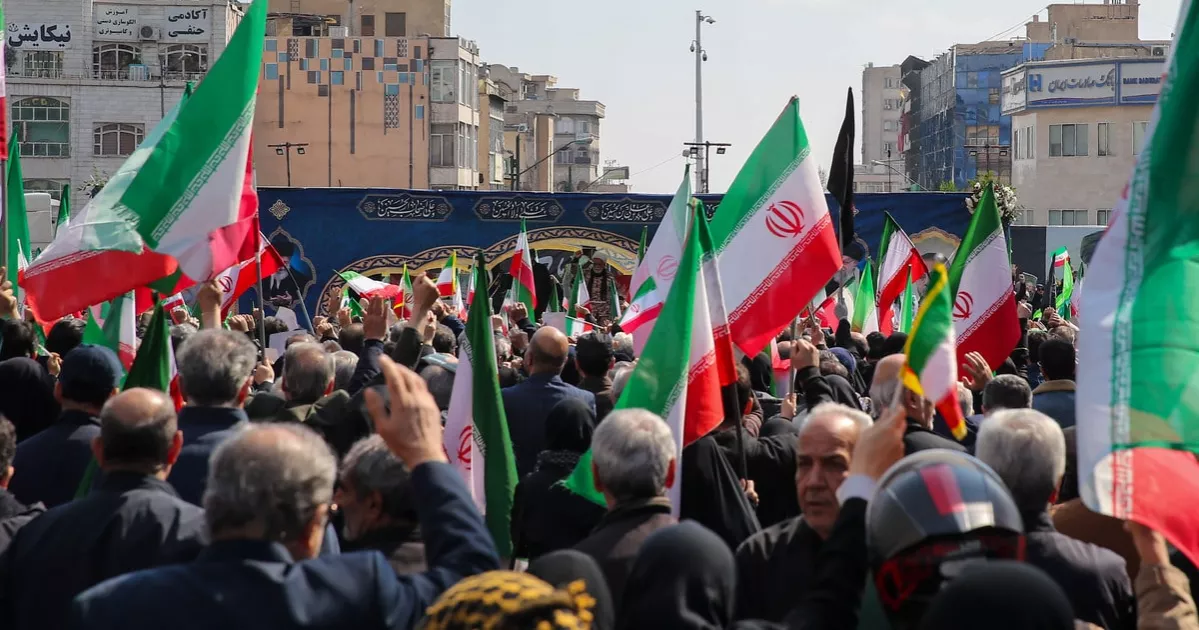
Saudi Arabia closed the only road connecting it to Bahrain on Tuesday after Iran fired missiles at the kingdom’s oil-rich Eastern Province. The latest Iranian strikes coincided with appeals from Iranian officials urging youths to form human chains around power plants for protection, as the deadline set by U.S. President Donald Trump for Iran to reopen the Strait of Hormuz approached.
Trump has warned that he will bomb all Iranian power plants and bridges if Tehran fails to meet his Tuesday 8 p.m. EDT deadline to allow shipping traffic to resume fully through the strategic waterway, which handles about a fifth of the world’s oil during peacetime. “The entire country can be taken out in one night,” Trump said.
Iran blocked shipping through the strait after Israeli and U.S. attacks on February 28 triggered the ongoing war. On Monday, Tehran rejected a 45-day ceasefire offer, insisting it seeks a permanent end to the conflict.
Early Tuesday, Tehran launched seven ballistic missiles at Saudi Arabia. The missiles were intercepted, but debris reportedly fell near energy facilities. Defense Ministry spokesman Maj. Gen. Turki al-Malki said the damage assessment was ongoing.
In response to the threat of further Iranian attacks, Saudi authorities closed the King Fahd Causeway, the 25-kilometer (15.5-mile) bridge connecting the island kingdom of Bahrain—home to the U.S. Navy’s 5th Fleet—to the Arabian Peninsula.
Meanwhile, activists reported a fresh wave of strikes on Tehran, which Israel later claimed responsibility for. Iran also fired missiles toward Israel amid rising tensions.