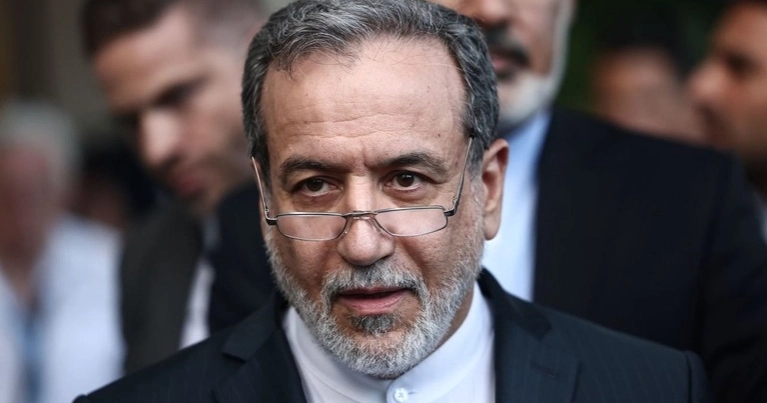
Iranian Foreign Minister Abbas Araghchi is expected to arrive in Islamabad on Friday night with a small delegation in a move seen as a step towards the possible resumption of direct US-Iran talks aimed at easing escalating tensions.
Senior officials in Islamabad confirmed the development to international media following a series of phone calls between Araghchi and Pakistani leaders on Friday, reports Al Jazeera.
However, Iran’s state news agency IRNA said the visit is primarily bilateral and focused on talks with Pakistani officials, not direct negotiations with the United States. After his Islamabad visit, Araghchi is expected to travel to Moscow and Muscat.
A Pakistani official said there was a “high likelihood of a breakthrough” in efforts to restart stalled US-Iran dialogue, despite rising tensions in the Strait of Hormuz and recent naval confrontations.
The development comes after earlier expectations that a US delegation led by Vice President JD Vance would travel to Islamabad for talks. However, Iran reportedly refused to return to negotiations, citing a naval blockade imposed by US President Donald Trump on April 13.
Since then, both sides have exchanged maritime actions in the Strait of Hormuz, further complicating diplomatic efforts, while talks have remained uncertain.
Araghchi held separate phone conversations on Friday with Pakistan’s Deputy Prime Minister and Foreign Minister Ishaq Dar, as well as Pakistan’s military leadership, according to media reports.
Pakistan has been playing a mediating role in facilitating dialogue between Washington and Tehran, with officials saying the US remains prepared for renewed talks despite delays.
The proposed discussions involve key issues including Iran’s nuclear programme, US sanctions, and the strategic Strait of Hormuz.
Meanwhile, heightened security measures and repeated road closures in Islamabad have disrupted daily life, as the capital hosts diplomatic activity linked to the stalled negotiations.
Residents have reported repeated interruptions to court services, education, transport and business activities due to security restrictions linked to the high-level diplomatic engagements.
Pakistan’s role as a mediator comes amid its own economic challenges, including IMF-backed reforms, rising fuel prices and power shortages.
Despite uncertainty, officials and observers say diplomatic efforts continue behind the scenes, though a firm date for renewed US-Iran talks has not yet been confirmed.