
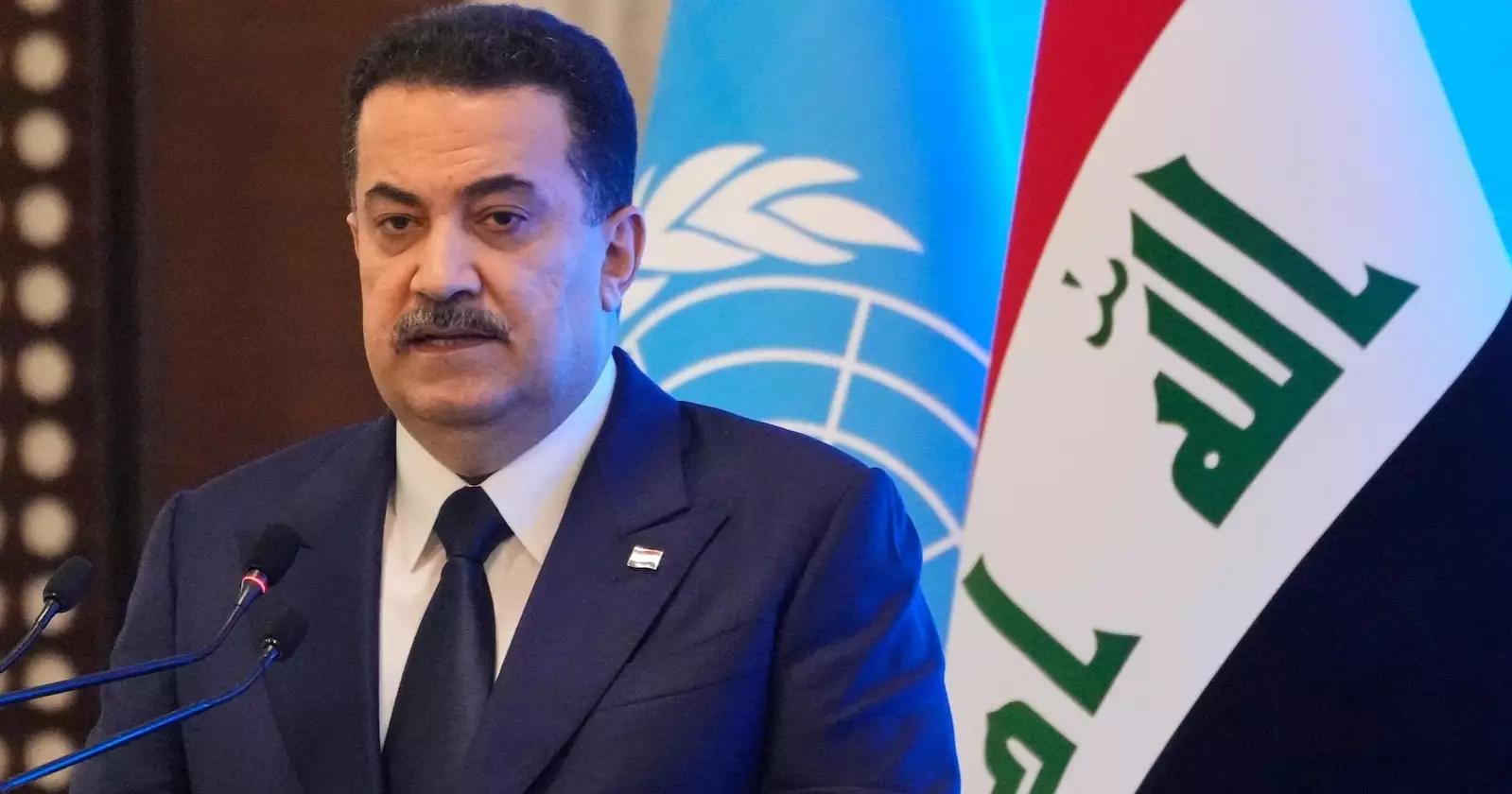
Iraq’s political landscape remains in flux more than a month after the November parliamentary elections, with parties maneuvering to form alliances that will shape the next government. No bloc won a decisive majority, setting the stage for prolonged negotiations.
Prime Minister Mohammed Shia al-Sudani’s party secured the largest number of seats, but his path to a second term is uncertain. Observers say the Iran-backed Coordination Framework — the largest Shiite parliamentary coalition — is unlikely to support al-Sudani, whom they now see as a political rival. Historically, only Nouri al-Maliki has served a second term as prime minister, highlighting the coalition’s caution against consolidating too much power in one leader.
Shiite alliances won 187 seats, Sunni groups 77, Kurdish parties 56, and minorities nine. Al-Sudani’s Reconstruction and Development Coalition won 46 seats, forcing him to seek coalition support. Earlier this month, his government withdrew a terror designation on Iran-aligned groups, including Lebanon’s Hezbollah and Yemen’s Houthis, reflecting the influence of armed factions within the Coordination Framework.
The absence of Muqtada Sadr’s Sadrist movement, which boycotted the election, created a vacuum exploited by parties with armed wings. More than 100 parliamentary seats are now held by parties affiliated with militias, the largest such presence since 2003. Sunni forces are reorganizing under the National Political Council, while Kurdish parties negotiate over the presidency, which by convention goes to a Kurd, with the Shiite prime minister and Sunni parliamentary speaker completing the leadership trio.
The incoming government faces daunting challenges, including a national debt exceeding $69 billion, heavy reliance on oil revenues, entrenched corruption, and the future of the Popular Mobilization Forces (PMF). These militias, formed to fight ISIS, remain largely autonomous despite formal integration under the military in 2016. After attacks on U.S. bases in retaliation for the 2023 Gaza war, Washington has warned against appointing leaders with militia ties or granting them control of security ministries.
Iraqi analysts say Iran-backed armed groups, including U.S.-designated terrorist organization Kataib Hezbollah, are unlikely to relinquish weapons, insisting that foreign forces leave before any disarmament discussions.
As Iraq’s political factions negotiate, the next government must balance internal power struggles, armed groups’ influence, and pressures from Washington and Tehran — all while managing a fragile economy and fragile stability across the country.