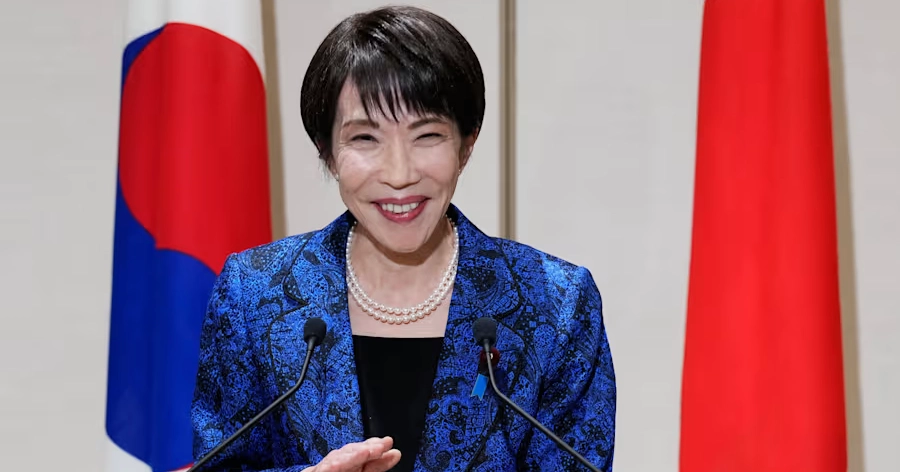
Japanese Prime Minister Sanae Takaichi is planning to dissolve the lower house of Parliament soon to clear the way for a snap election aimed at securing a fresh public mandate for her policies, a senior ruling party leader said on Wednesday.
Shunichi Suzuki, secretary general of the ruling Liberal Democratic Party (LDP), told reporters that Takaichi informed top party leaders of her intention to dissolve the powerful lower house shortly after it convenes on January 23.
Takaichi, who became Japan’s first female prime minister in October, is widely seen as seeking to take advantage of her strong public approval rating of around 70 percent to strengthen the position of her scandal-hit party and its coalition partners.
Suzuki said the prime minister will formally outline her plans at a news conference scheduled for next Monday. No specific date for the dissolution or the election was announced, though local media have reported that the lower house could be dissolved on January 23, with voting possibly held as early as February 8.
The governing coalition currently holds only a slim majority in the lower house following election losses in 2024. An early election is expected to help Takaichi secure more seats for the LDP and its new junior partner.
Opposition parties criticised the move, calling it a self-serving decision that could delay urgent parliamentary debate on the national budget.
Takaichi is seeking public backing for her policy agenda, which includes “proactive” fiscal spending and further accelerating Japan’s military buildup under a new coalition arrangement with the conservative Japan Innovation Party. The party joined the ruling bloc after the centrist Komeito left over disagreements on ideology and anti-corruption reforms.
In late December, Takaichi’s cabinet approved a record 122.3 trillion yen ($770 billion) budget for the next fiscal year starting in April, aimed at tackling inflation, supporting low-income households and boosting economic growth. The budget still requires parliamentary approval.
Winning an early election would also make it easier for Takaichi to pass the budget and other key legislation.
The prime minister, known for her hawkish, nationalist views and conservative stance on social issues, is also seeking to regain conservative voters who have shifted toward emerging populist parties in recent elections.
Although the LDP has brought several independents into its alliance to secure a narrow lower-house majority, the ruling bloc remains in the minority in the upper house.