
Conservation groups and an Iñupiat organization on Tuesday filed lawsuits challenging the Trump administration’s renewed push to expand oil and gas drilling in the National Petroleum Reserve-Alaska and an upcoming lease sale, saying the plan wrongly opens up ecologically sensitive lands that have long been protected.
At least two lawsuits contesting the March 18 lease sale were lodged. One case, filed in federal court in Alaska, was brought by Earthjustice on behalf of the Center for Biological Diversity and Friends of the Earth. Another was filed in federal court in Washington, D.C., by The Wilderness Society and Grandmothers Growing Goodness, which aims to highlight the effects of oil and gas development on Iñupiat communities.
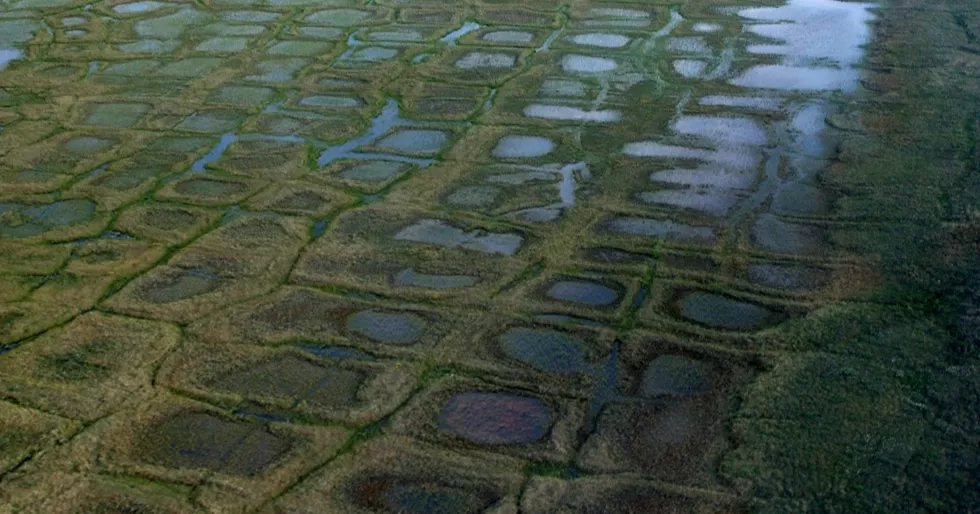
The proposed sale would be the first in the reserve since 2019 and the first under a law passed by Congress last year that calls for at least five lease sales over 10 years. The reserve spans a vast area on Alaska’s North Slope, about the size of Indiana, and is home to wildlife such as caribou, bears, wolves and millions of migratory birds.
The lawsuits name the U.S. Department of Interior, the Bureau of Land Management and senior officials as defendants. The Earthjustice case also includes the U.S. Fish and Wildlife Service. An email seeking comment was sent Tuesday to an Interior Department spokesperson.
The dispute reflects a long-running debate over how much of the reserve should be open to development. A Trump-era plan would allow leasing on roughly 80% of the reserve. Supporters say the area was set aside for energy production, while critics argue the law requires balancing drilling with protection of sensitive habitats. Views among Alaska Native groups are also divided, with some backing development and others warning it could harm local communities.
The lawsuits say next month’s sale includes land near Teshekpuk Lake and the Colville River, previously recognized for their wildlife and subsistence importance. They claim notices for the sale give no clear reason for including these tracts and fail to acknowledge earlier findings that the areas should remain off-limits.
The Earthjustice complaint says a management plan behind the sale “unlawfully removes lands from the Teshekpuk Lake Special Area and eliminates the Colville River Special Area.” It adds, “Congress has not authorized the Secretary to remove lands from or eliminate special areas, especially where those lands still contain the significant resource values that supported their designation.”
The suits ask courts to cancel any leases issued in the sale and block future sales based on what plaintiffs call flawed environmental reviews and planning decisions.