Myanmar’s military appears to be regaining momentum in the country’s long-running civil war, taking advantage of a weakened and divided resistance after years of intense fighting.
Just over a year ago, the army, known as the Tatmadaw, was losing control of large parts of northern Myanmar to a powerful alliance of ethnic militias, while also struggling against pro-democracy fighters across the country. Now, the situation has shifted.
Bolstered by tens of thousands of new recruits, the military has recovered some lost territory and is preparing to step up attacks. At the same time, several opposition groups have either withdrawn from the conflict or been weakened by internal disputes and shortages of supplies.
Analysts say the military is gaining the upper hand, though the conflict is far from over. Morgan Michaels, a Singapore-based expert from the International Institute of Strategic Studies, said the army has regained the initiative and currently holds an advantage over resistance forces.
However, he noted that armed resistance is likely to continue until a political settlement is reached.
After five years of war, there is growing fatigue among both fighters and civilians. The conflict has killed tens of thousands of people, including around 8,000 civilians, and forced millions to flee their homes.
Political analyst Aung Thu Nyein said many people in Myanmar now simply want the violence to end, regardless of who wins.
China has also been pushing for stability in Myanmar, which is an important source of rare earth minerals and other resources. Beijing has invested heavily in infrastructure projects such as pipelines and mining operations, and is a key supplier of arms to the military, alongside Russia.
China initially backed a major offensive launched in October 2023 by the Three Brotherhood Alliance against the military, partly due to concerns over criminal networks operating in border areas. But it later withdrew support and pressured the groups to halt fighting.
Two members of the alliance — the Myanmar National Democratic Alliance Army and the Ta’ang National Liberation Army — agreed to ceasefires following talks mediated by China. The Arakan Army remains the only group in the alliance still actively fighting, mainly in Rakhine state.
Alongside these ethnic armed groups, pro-democracy militias known as People’s Defense Forces have been fighting the military since the 2021 coup that removed the elected government of Aung San Suu Kyi.
Some resistance groups say they need stronger coordination to counter the military’s renewed strength. A pro-democracy alliance fighting in central Myanmar said differences in strategy and competing interests among various groups continue to limit their effectiveness.
They also accused the military of trying to exploit divisions within the resistance.
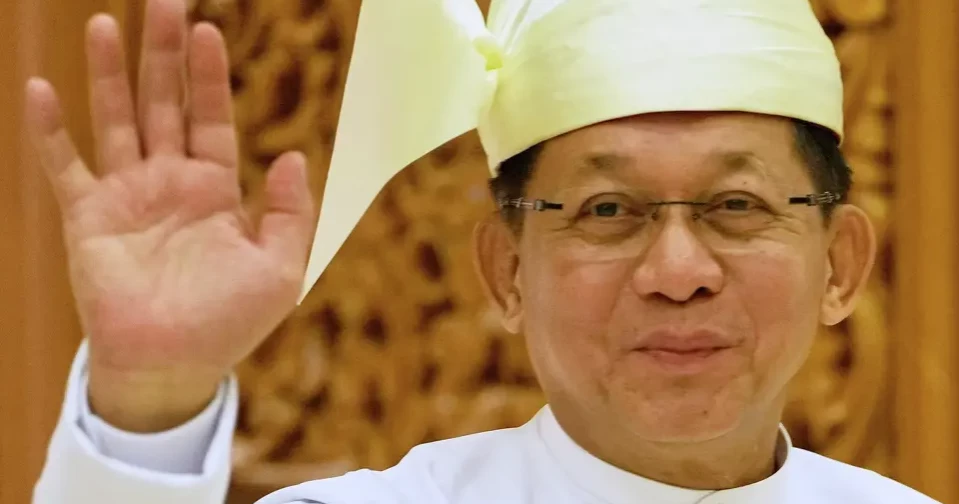
Meanwhile, the military leadership has taken steps to strengthen its political position. Elections held recently — widely criticised by UN experts as neither free nor fair — brought army chief Min Aung Hlaing to the presidency.
Observers say the vote was aimed at boosting the military government’s legitimacy and improving ties with regional countries, despite ongoing international sanctions.
China quickly congratulated the new leadership and reaffirmed its support, while some armed groups also signalled willingness to maintain ceasefires.
The end of the election process has also freed up troops who had been deployed for security duties, allowing the military to focus more on combat operations.
In one of his first moves as president, Min Aung Hlaing invited armed groups to peace talks, setting a July 31 deadline but warning against “unrealistic demands.” The offer did not include the shadow National Unity Government, which rejected the proposal.
Fighting continues despite the call for dialogue. The military is carrying out a major offensive in Sagaing region to retake the town of Indaw, while also defending positions in the east against advances by the Karen National Liberation Army near the Thai border.
Analysts say the military may be aiming for smaller, separate ceasefires with different groups, rather than a nationwide agreement.
Such deals could allow the army to focus its forces on remaining opponents, as it seeks to further consolidate its control.