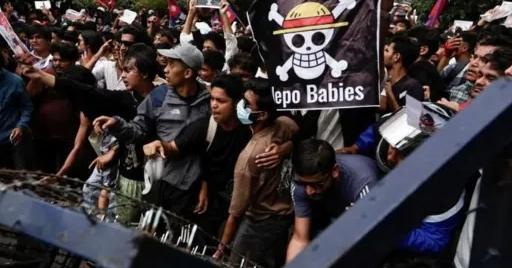
Nepal has withdrawn its social media ban after violent clashes between demonstrators and police left at least 19 people dead.
On Monday, thousands of youths stormed the parliament building in Kathmandu, demanding the government lift restrictions on 26 platforms, including Facebook and YouTube, and urging action against corruption.
The ban was revoked following an emergency cabinet meeting late Monday to "address the demands of Gen Z," Communications and Information Minister Prithvi Subba Gurung said, according to a BBC report.
Over 100 people were injured in the unrest, which also spread to towns beyond the capital.
Platforms like Instagram have millions of Nepali users who depend on them for news, entertainment, and business. Authorities, however, had defended the ban—introduced last week—as a move to combat misinformation, hate speech, and online scams.
Protesters said their anger was not only about the restrictions but also about what they saw as the government’s authoritarian approach. Many carried placards reading "enough is enough" and "end to corruption." Some also threw stones at Prime Minister KP Sharma Oli's residence in his hometown, Damak.
One demonstrator, Sabana Budathoki, told the BBC the ban was "just the reason" for gathering. "Rather than [the] social media ban, I think everyone's focus is on corruption," she said, adding: "We want our country back. We came to stop corruption."
The protests also coincided with the rise of a "nepo kid" campaign on Nepali social media, targeting the lavish lifestyles of politicians’ children and accusing them of being funded by corruption.
Police in Kathmandu used water cannons, batons, and rubber bullets to disperse crowds on Monday. Prime Minister Oli said he was "deeply saddened" by the deaths and injuries, blaming the violence on "infiltration by various vested interest groups." He announced plans to form a panel to investigate the events, provide free medical care to the injured, and extend financial "relief" to victims’ families.
Home Minister Ramesh Lekhak resigned in the evening after heavy criticism of the government’s handling of the protests.
Authorities had originally ordered the blocking of 26 platforms last week for failing to register with Nepal’s communication and information technology ministry. The government has maintained it was not banning social media outright but seeking compliance with national laws.