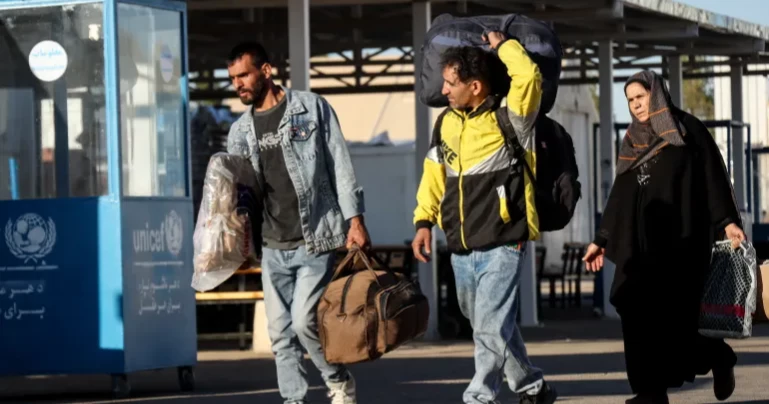
Nearly nine in 10 Afghan families are skipping meals or sinking into debt as millions of returnees strain already scarce resources in one of the world’s poorest nations, according to the United Nations Development Programme (UNDP).
The UNDP report, released Wednesday, said Afghanistan — reeling from aid cuts, sanctions, and a series of natural disasters including a deadly earthquake in August — is struggling to absorb about 4.5 million returnees since 2023. This year alone, some 1.5 million Afghans have been forced back from Pakistan and Iran as the two countries ramped up efforts to expel refugees.
The report found that more than 90 percent of returnee households have taken on debt, ranging from $373 to $900, while the average monthly income stands at just $100. Over half of the families surveyed said they are skipping medical treatment to afford food.
Housing conditions have also deteriorated sharply, with rent costs tripling in many areas. More than half of returnees reported inadequate living space or bedding, and 18 percent said they had been displaced again within the past year. In the western provinces of Injil and Guzara, most returnees are living in tents or damaged shelters, the report said.
UNDP Resident Representative Stephen Rodriques called for urgent, area-based recovery efforts to strengthen livelihoods and services in high-return regions. “By linking income opportunities, basic services, housing and social cohesion, it is possible to ease pressure on high-return districts and reduce the risk of secondary displacement,” he said.
Afghanistan’s aid-dependent economy has been in free fall since the Taliban takeover in 2021. Donor funding has dropped significantly, with only a fraction of the $3.1 billion sought by the UN this year being met. The Taliban authorities have appealed for greater humanitarian support, especially following this year’s earthquake, and have condemned Pakistan’s mass deportation of Afghan nationals.
The UNDP also highlighted that restrictions on women’s work and movement are worsening the crisis, as many returnee families depend on female breadwinners. Women’s participation in the labour force has plunged to just 6 percent — among the lowest globally.
“In some provinces, one in four households depend on women as the main income earners,” said Kanni Wignaraja, UN Assistant Secretary-General and UNDP Regional Director for Asia and the Pacific. “When women are prevented from working, families, communities and the country all lose out. Cutting women out of front-line teams also means cutting off vital services for returnees and disaster victims.”
With inputs from Al Zazeera