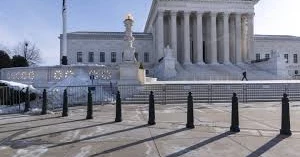
The U.S. Supreme Court has allowed the Trump administration to move forward with ending temporary legal protections for over 500,000 immigrants from Cuba, Haiti, Nicaragua, and Venezuela. This decision significantly increases the number of people at risk of deportation to nearly 1 million.
The court lifted a previous lower-court ruling that had blocked the revocation of humanitarian parole for migrants from these four countries. This comes after a separate ruling allowed the administration to end temporary legal status for around 350,000 Venezuelans. As is typical with emergency rulings, the Supreme Court did not provide an explanation, though Justices Ketanji Brown Jackson and Sonia Sotomayor dissented.
The administration had appealed to the high court after a federal judge in Boston, Indira Talwani, halted the attempt to end the program. While Talwani acknowledged the government’s authority to revoke parole, she required it be done on a case-by-case basis. However, the administration argued that individualized assessments were too burdensome and unnecessary under the law.
White House spokeswoman Abigail Jackson defended the move, stating it aligns with immigration law and public safety. Critics, including Karen Tumlin of the Justice Action Center, condemned the decision as one that could lead to mass deportations and widespread instability in migrant communities.
While the Supreme Court’s ruling is not final, it allows the administration to proceed with removals while legal proceedings continue in the 1st U.S. Circuit Court of Appeals.
The decision could also affect similar humanitarian parole programs for other groups, such as Afghans, Ukrainians, and Central American children. President Joe Biden has used humanitarian parole more than any prior president, granting temporary entry to over 532,000 individuals fleeing hardship, provided they had financial sponsors and paid for their travel.